Disruptive Process Solutions Home
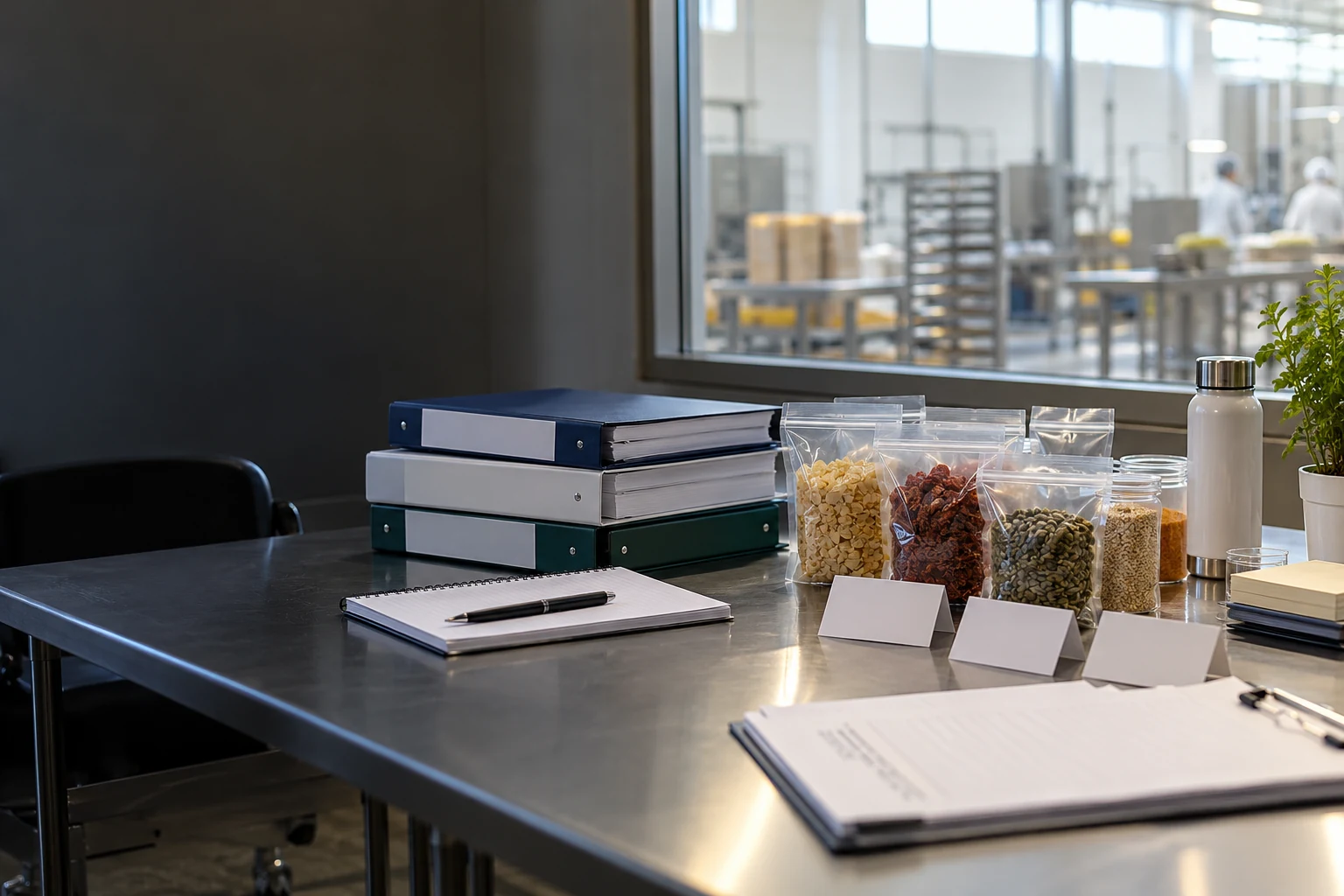
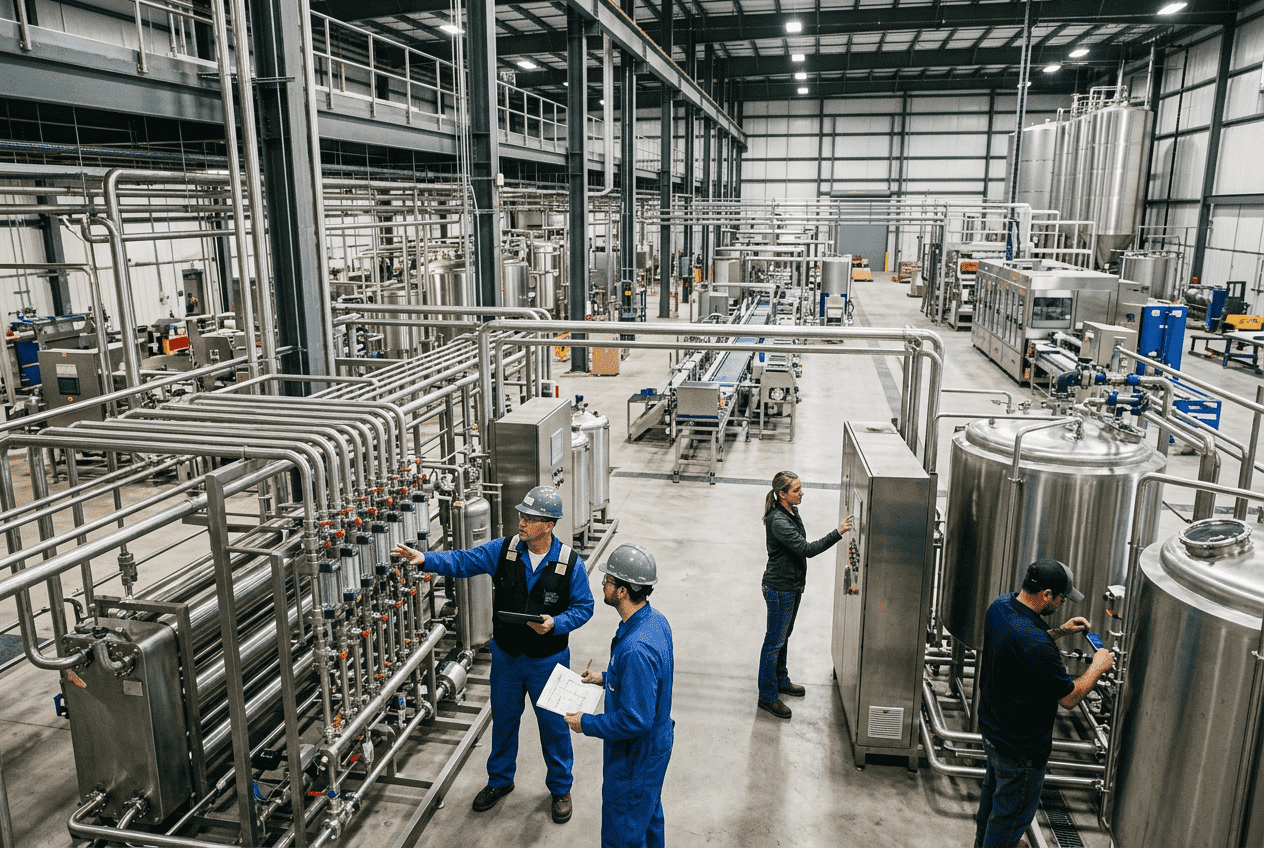
Food manufacturing capital planning and project-evaluation illustration

DPS Engineering Services

Connect Capital Decisions With Operating Reality

Capital Planning & Feasibility

Design · Build · Manage

A facility investment needs more than equipment quotes. DPS evaluates production cycles, cleaning, labour, utilities, demand, installed cost, and startup requirements to develop a defensible decision basis. The engagement compares investment scenarios and phased alternatives, documents assumptions and risks, and can recommend an operating or controls improvement where the evidence supports a narrower intervention than a new capital project. Each scenario retains its engineering basis and decision assumptions.

The Service

Test the Business Case Against the Plant

Capital planning begins with the way the current operation actually performs. Batch sizes, cycle times, labour deployment, utility consumption, CIP, changeovers, and seasonal throughput establish the baseline. Investment alternatives are then assessed for added capacity, unit cost, new product capability, infrastructure needs, compliance scope, and the time and resources required to reach stable production.

The Challenges We Help You Address

01

Supplier Scope Driving the Investment

Equipment offers may reflect available product lines rather than the required batch volumes, operating sequence, or changeover frequency. An engineering-led review checks the proposed assets against the actual production need.

02

Nameplate Capacity in the Financial Model

Rated equipment output does not account for cleaning, labour, utility recovery, yield, sanitation downtime, or seasonal demand. These conditions need to be reflected in the capacity and financial assumptions.

03

Expansion Without an Infrastructure Roadmap

Approving one phase without considering later utility headroom, structural loading, floor space, and dock access can create repeated mechanical and electrical work. The capital roadmap should identify what to provide now and what to reserve.

04

Compliance Scope Hidden in Contingency

Wastewater, allergen separation, air handling, drainage, and sanitary materials are defined infrastructure requirements. Treating them only as a general allowance can leave the installed-cost model incomplete.

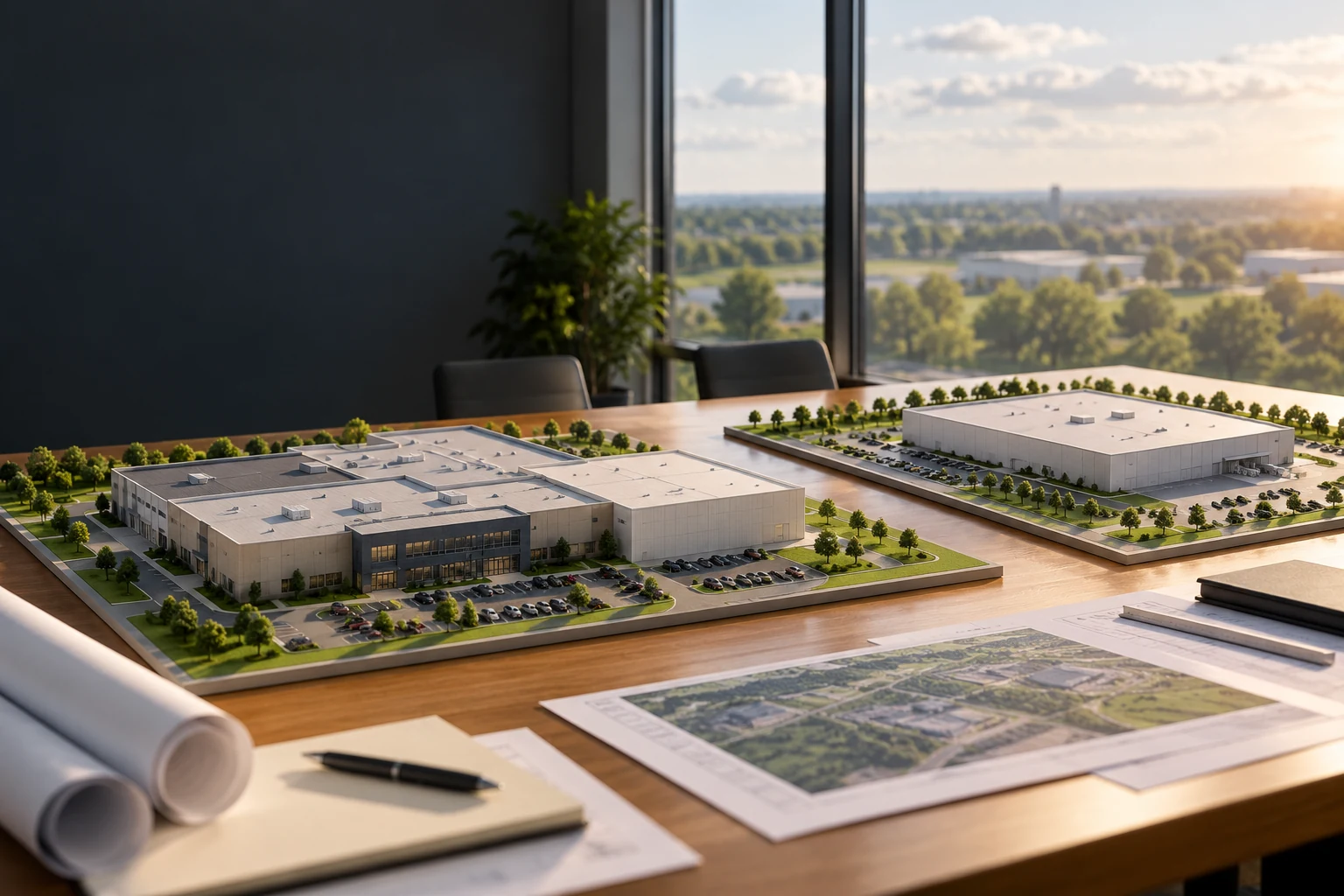
Food manufacturing capital planning and project-evaluation illustration

The DPS Approach

Start With the Baseline, Then Compare Alternatives

DPS models current production using batch data, cycle times, labour, utilities, cleaning schedules, changeovers, and seasonal patterns. Demand scenarios are mapped to useful capacity by line and shift. Concept layouts, equipment requirements, utility loads, and compliance scope provide an engineering basis for installed-cost estimates rather than relying on equipment price alone.

The investment model includes construction and integration, commissioning, training, initial yield loss, and ramp-up. Financial scenarios test labour, materials, utility rates, throughput, and timing. A phased roadmap identifies infrastructure provisions and decision triggers, while a documented risk register and go/no-go recommendation support executive review. Operational changes remain a valid alternative when they address the underlying constraint.

For a new facility, the operating brief records product mix, package formats, staffing assumptions and future phases. Connect site readiness, supplier interfaces and owner decisions with procurement, construction and startup milestones before committing the build.

Capabilities

The Disciplines Behind the Delivery.

Build an investment decision from operating data, demand assumptions, engineering scope, installed cost, and realistic startup conditions. DPS evaluates alternatives and phased expansion plans for food and beverage manufacturers, including opportunities to improve the existing operation before committing to new equipment or additional facility capacity.

Operating Baseline Assessment

Review actual OEE, shift throughput, bottlenecks, labour, cleaning duration, changeovers, and utility cost per unit before assessing new investment.

Demand and Manufacturing Alignment

Map SKU volumes, seasonal demand, shift patterns, and co-packing alternatives to the production capability the business needs.

Concept Scope and Infrastructure

Develop layout alternatives, major-equipment requirements, utility projections, and an applicable compliance scope tied to the proposed operating model.

Total Installed Cost and Risk

Build a line-item model for equipment, installation, utilities, controls, site work, compliance, and soft costs, with contingency linked to identified risks.

Financial Scenario Testing

Compare payback, NPV, IRR, and sensitivities using documented operating, cost, yield, and ramp-up assumptions; projections support decisions rather than guarantee returns.

Phased Roadmaps and Executive Decisions

Define infrastructure provisions, expansion triggers, phase budgets, permitting assumptions, and a decision package with risks, evidence, and go/no-go criteria.

Scope & Deliverables

Define What the Work Will Deliver.

Use this scope framework to discuss the outputs, interfaces, and acceptance requirements for your project. The engagement defines the work and responsibilities to be included.

Capital Planning & Feasibility Scope and Deliverables
Planning ModuleDeliverablesAnalytical Parameters
Operational Baseline Assessment
  • Current-state production audit report
  • Utility consumption profile
  • Bottleneck identification summary
  • Labor efficiency analysis

Actual OEE, throughput per shift, CIP cycle duration, changeover time, utility cost per unit of production

Market & Demand Alignment
  • Demand scenario matrix
  • SKU volume forecasting inputs
  • Co-packing vs. owned-production analysis

Volume projections mapped to production capacity by line, shift pattern, and seasonal peak/trough cycles

Conceptual Scope Development
  • Preliminary facility layout options
  • Major equipment list
  • Utility system requirements
  • Compliance scope summary

Equipment sizing against target throughput; FDA, USDA, SQF, BRC regulatory scope identification

Capital Cost Estimation
  • Total installed cost model with a line-item breakdown for equipment, installation, utilities, controls, site work, compliance, and soft costs

Cost data derived from DPS national project experience; contingency allocation by risk category

ROI & Financial Modeling
  • Investment scenario comparison
  • Payback period analysis
  • NPV/IRR projections
  • Sensitivity analysis on key variables

Labor cost, raw material cost, utility rates, throughput yield, and ramp-up timeline as variable inputs

Phased Expansion Planning
  • Multi-phase capital roadmap with infrastructure pre-investment specifications, trigger milestones, and budget allocations per phase

Utility headroom per phase, structural pre-loading, reserved floor space, permitting timeline per jurisdiction

Executive Decision Package
  • Board-ready summary report
  • Risk register
  • Recommendation with go/no-go criteria
  • Preliminary project schedule

All assumptions, data sources, and engineering basis of estimate documented for stakeholder review

Common Questions

Before We Start.

Questions About Capital Planning & Feasibility

View All DPS FAQs
How Does Engineering-Led Feasibility Differ From a Vendor Proposal?

The assessment connects equipment selection with production modelling, utilities, installation, compliance scope, and operating cost. DPS draws on engineering and field-delivery experience to test how the proposal fits the facility. The owner receives documented assumptions and a total installed-cost basis, enabling a comparison of alternatives rather than an equipment quotation presented as a complete project budget.

What Determines the Programme and Investment for a Study?

Scope depends on the facility, available operating data, number of scenarios, and whether an on-site baseline assessment is needed. Four to eight weeks is a preliminary scheduling reference; confirm timing and fees in a project-specific proposal. Define the required level of cost confidence, engineering detail, financial modelling, and executive documentation before agreeing the engagement.

Will DPS Recommend Against a Capital Project?

Yes. The review can identify a controls change, operating adjustment, or scheduling improvement that addresses the capacity constraint without the proposed expansion. DPS presents those alternatives with their engineering and operating basis. The purpose is to help the client select a justified course of action, including a reduced or deferred capital scope where the evidence supports it.

Can DPS Evaluate Facilities Across the United States and Canada?

DPS supports planning assignments across the United States and Canada from its North Carolina and California bases, with site visits and specialist input scoped to the engagement. Production modelling and financial analysis can be coordinated remotely, while field assessments and regional contractor information help test existing conditions, installation costs, trade availability, and location-specific requirements.

How Are Regulatory and Food Safety Costs Included?

Identify applicable requirements for the products, processes, and facility before costing the infrastructure. The study can consider FDA, USDA, SQF, BRC, HACCP, and FSMA requirements with the responsible project parties, then define sanitary materials, drainage, allergen zoning, air handling, wastewater, and documentation as scope items. The cost model records these requirements and assumptions rather than concealing them within an undifferentiated contingency allowance.

Connect the Next Part of Your Project.

Explore All Services

The Next Conversation

Make the Next Capital Decision Reviewable

Bring the production data, investment question, demand assumptions, and alternatives under consideration. DPS can help define the study needed to compare options and establish the next approval gate.

Discuss Your Project