Disruptive Process Solutions Home
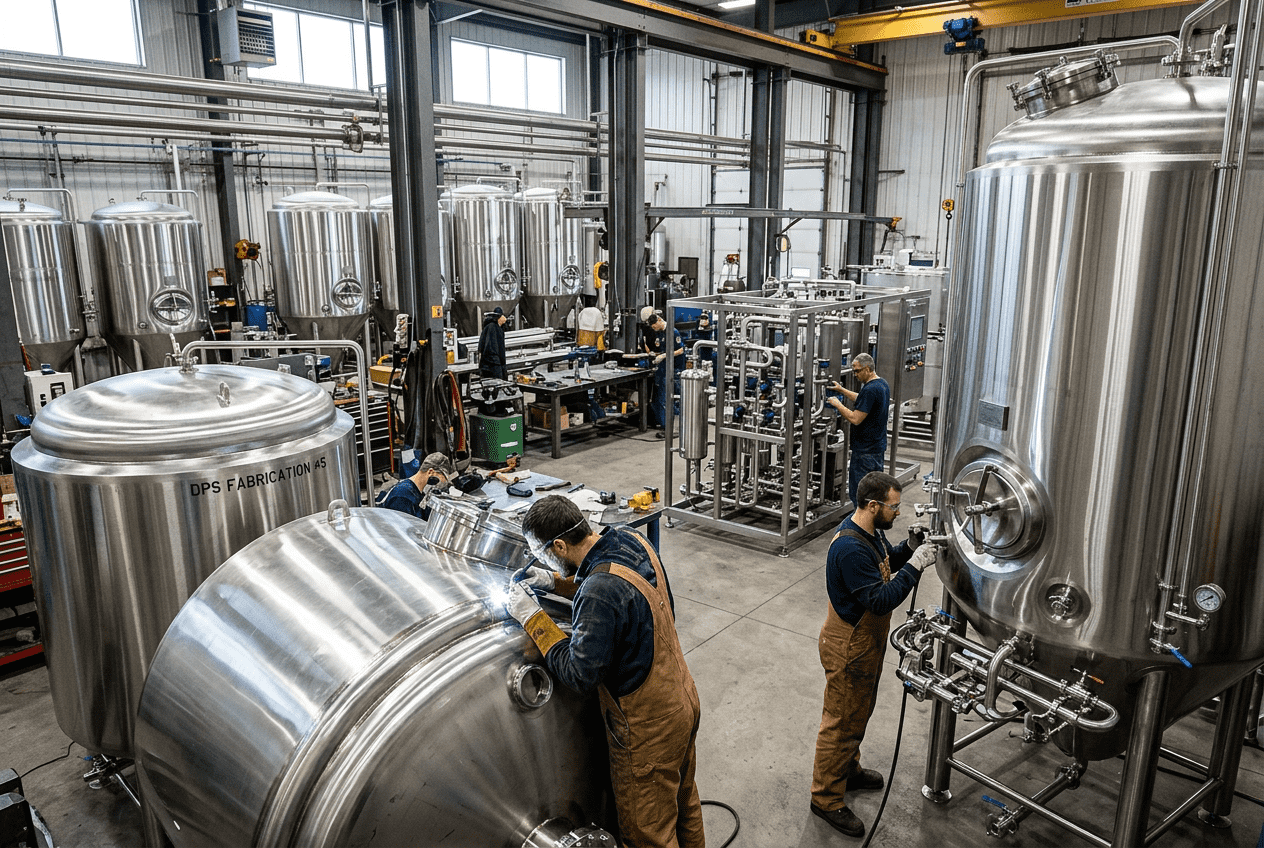
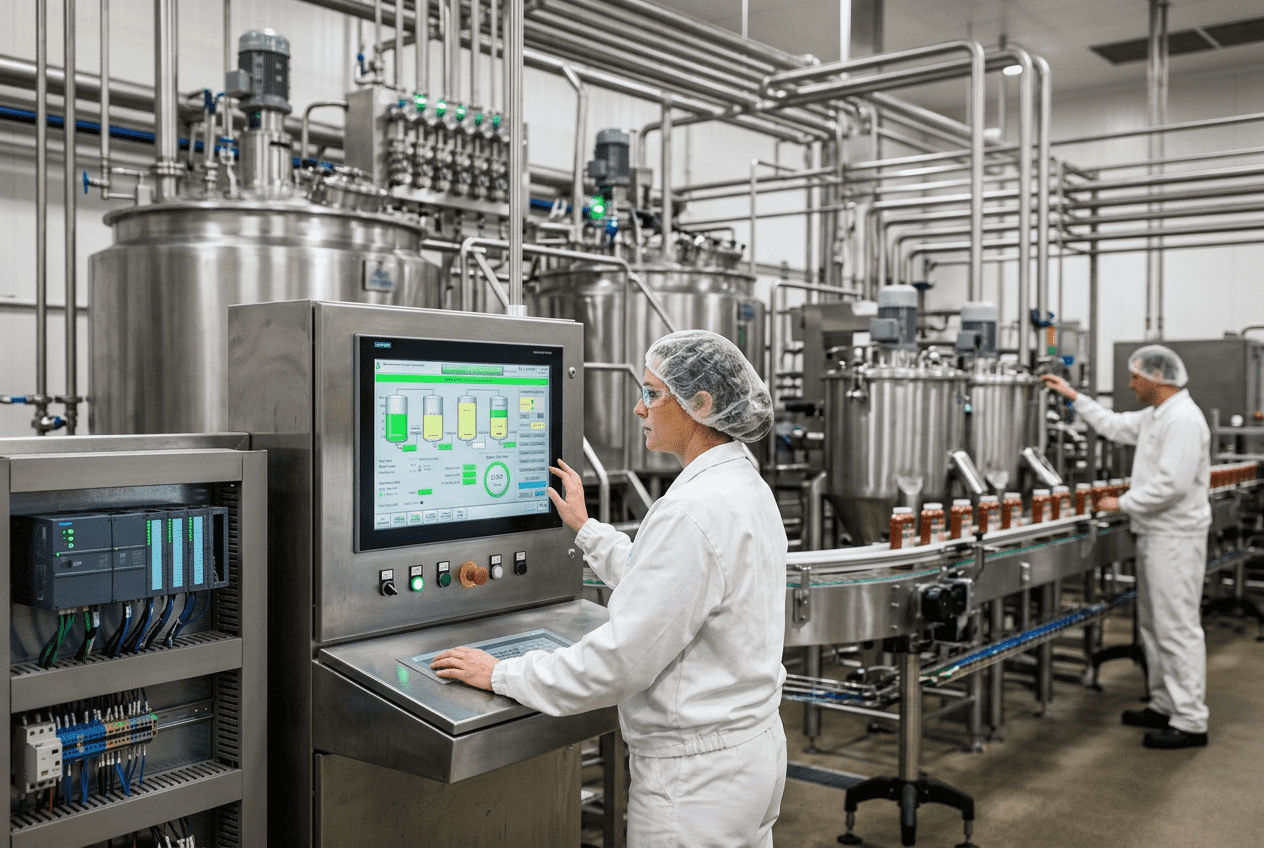
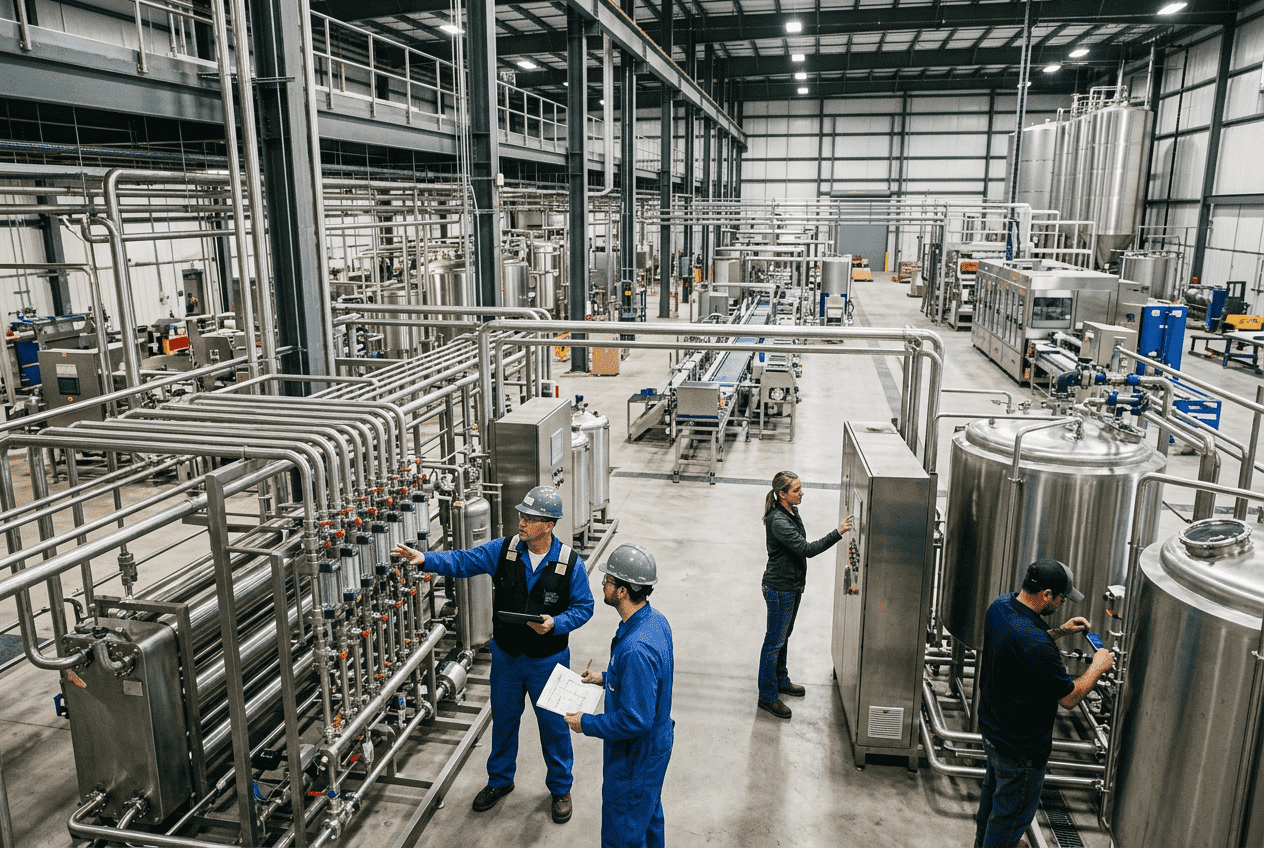
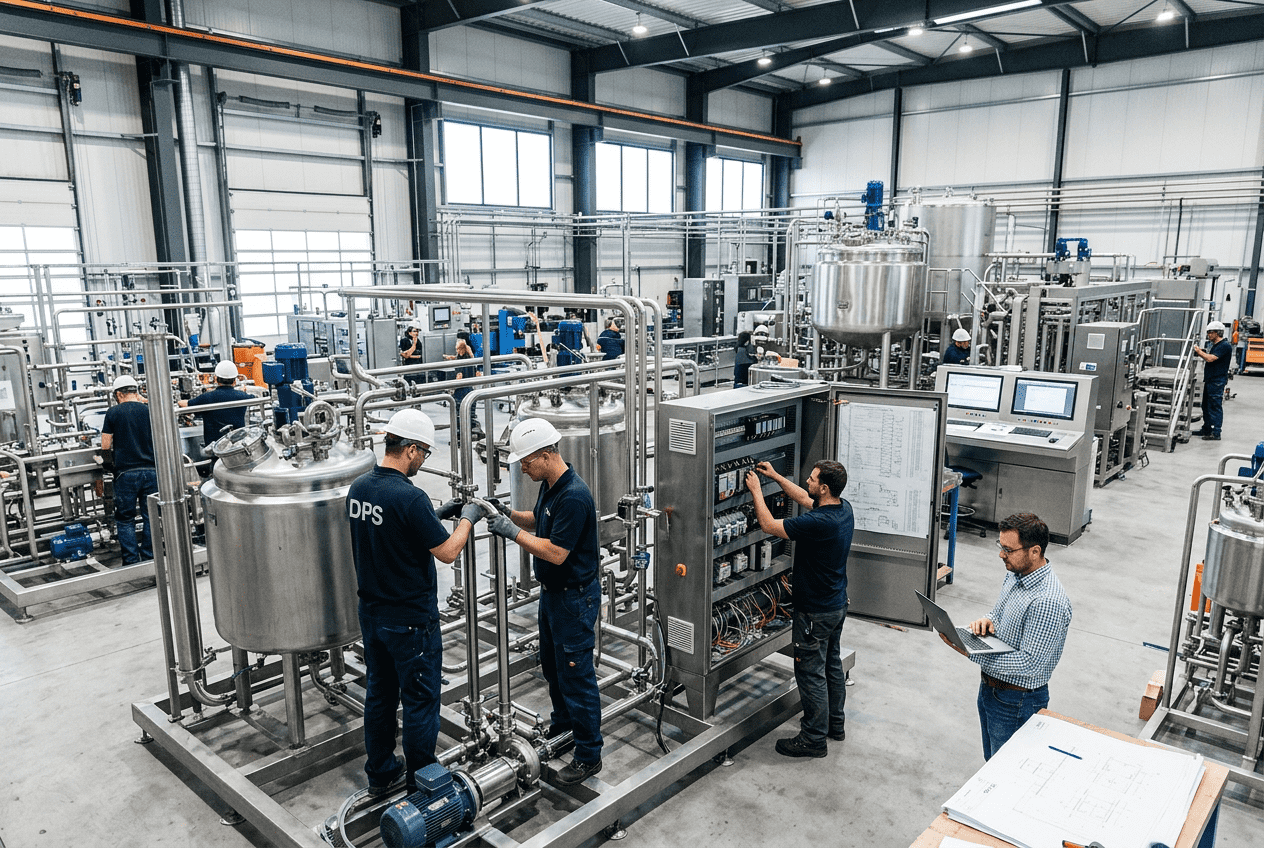
Process equipment installation and food facility utility-integration illustration

DPS Engineering Services

Connect the Equipment Into a Working System

Installation & System Integration

Design · Build · Manage

Installed equipment depends on the piping, utilities, instruments, controls, cleaning circuits, and work around it. DPS coordinates those interfaces from constructability review through field execution and commissioning. The engagement can use DPS engineering or client-furnished designs and equipment, with installation responsibilities, qualified trades, local approvals, production windows, and acceptance records defined before mobilization. Integrated sequence checks connect individual equipment with the full operating line.

The Service

Preserve Design Intent Through Field Execution

Installation decisions affect drainability, instrument performance, pump conditions, cleaning coverage, and the way equipment works together. DPS connects routing, weld requirements, equipment setting, utility tie-ins, controls, and testing with the process design. Field execution is organized with qualified trade partners and engineering oversight, then checked from individual components through integrated sequences and operating handback.

The Challenges We Help You Address

01

Design Intent Lost in the Field

Changes to pipe routing, slopes, instrument insertion, or suction arrangements can affect drainage, measurements, and pump operation. Installation needs a documented connection to the design basis and a process for resolving field changes.

02

Competing Trade Interfaces

Mechanical, electrical, plumbing, controls, fire protection, and equipment-startup teams may share access and overhead space. Drawings, deliveries, and work sequences need coordination before those conflicts reach installation.

03

Components Tested Without the Whole Line

Individual equipment checks do not establish integrated throughput, changeovers, sanitation, or simultaneous utility capacity. Commissioning needs upstream and downstream handshakes and full-sequence testing against the agreed operating basis.

04

Sanitary Installation Deficiencies

Weld quality, material traceability, dead legs, fittings, valve orientation, and drainability affect cleanability. Food-industry installation methods and inspection records need to match the project’s applicable requirements.

Process equipment installation and food facility utility-integration illustration

The DPS Approach

Coordinate Placement, Connections, and Acceptance

The installation scope begins with the engineering documents and field conditions. DPS coordinates routing, sanitary weld requirements, equipment-setting sequences, utility cutovers, and controls interfaces. Process-critical work is allocated to DPS personnel or qualified specialist partners, while local trades provide the agreed mechanical, electrical, plumbing, structural, insulation, and other packages. Contracting and permit roles are confirmed by jurisdiction.

Integration checks proceed from unit operations to the combined production sequence. The programme can test multi-zone CIP, batch handoffs between blending and filling, and simultaneous steam, air, glycol, and water demand under agreed conditions. Documentation, sanitation records, operator training, and open-item disposition form part of turnover. For third-party designs or client equipment, constructability review establishes the interfaces and gaps before mobilization.

For equipment relocation, document asset condition, connections and controls before disconnection. Agree responsibility for dismantling, identification, specialist transport, storage and reinstallation, and check receiving-site layout, maintenance access, sanitation and utilities against the retained equipment. Sequence destination work and recommissioning with the owner’s inventory cover and production commitments.
Capabilities

The Disciplines Behind the Delivery.

Carry engineering intent through equipment placement, sanitary piping, utilities, electrical and instrumentation connections, controls, cleaning systems, and integrated checks. DPS coordinates installation packages for new and operating facilities, including client-furnished equipment and third-party designs, with trade roles, site requirements, outage windows, acceptance criteria, and turnover records agreed.

Sanitary and Industrial Process Piping

Coordinate stainless tubing, orbital or manual TIG work, industrial piping, valves, supports, insulation, slopes, material traceability, inspection, and test records.

Equipment Setting and Alignment

Plan rigging, lifting, placement, levelling, anchors, alignment, vibration isolation, and the structural or seismic requirements applicable to the selected equipment.

Utilities and Electrical Infrastructure

Connect steam, condensate, air, glycol, water, wastewater, refrigeration, HVAC, power distribution, MCCs, VFDs, grounding, and required electrical studies.

Instrumentation and Controls Connections

Coordinate instrument mounting, cables, junction boxes, pneumatic tubing, panel terminations, I/O checkout, networks, and HMI/SCADA connectivity.

CIP Circuit Installation

Integrate supply and return paths, chemical services, spray devices, drainage, and circuit documentation with the plant’s cleaning and verification requirements.

Commissioning and Turnover

Connect pressure and loop tests, functional and integrated checks, CIP verification, punch lists, training, and the traceable as-built and acceptance package.

Scope & Deliverables

Define What the Work Will Deliver.

Use this scope framework to discuss the outputs, interfaces, and acceptance requirements for your project. The engagement defines the work and responsibilities to be included.

Installation & System Integration Scope and Deliverables
System / Work PackageScope of WorkOwner Deliverables
Process Piping
  • Sanitary SS tubing (orbital and manual TIG)
  • Industrial process piping
  • Valve assemblies
  • Expansion joints
  • Pipe supports
  • Insulation
  • Slope verification

Weld logs with welder ID, borescope inspection reports, passivation certificates, pressure test records, as-built isometric drawings

Equipment Setting
  • Rigging
  • Lifting
  • Precision placement
  • Anchor bolt installation
  • Leveling
  • Alignment
  • Vibration isolation mounting

Equipment placement records, laser alignment reports, anchor bolt torque documentation, seismic anchorage calculations

Mechanical Utilities
  • Steam/condensate
  • Compressed air
  • Glycol supply/return
  • Process water
  • Wastewater
  • Refrigeration piping
  • HVAC ductwork

Utility load verification, pressure test records, insulation inspection, balancing reports, as-built utility drawings

Electrical Power
  • Main service entrance coordination
  • Switchgear
  • Panelboards
  • MCCs
  • VFDs
  • Conduit and wire runs
  • Grounding
  • Arc flash labeling

Single-line diagram updates, panel schedules, wire pull sheets, megger test reports, arc flash study and labels per NFPA 70E

Instrumentation Wiring
  • Field routing of instrument cables
  • Junction boxes
  • Instrument mounting
  • Tubing runs for pneumatic actuators

Cable schedule, instrument location drawings, cable continuity test records, instrument calibration certificates

Controls Integration
  • Panel termination
  • I/O point-to-point checkout
  • Signal verification
  • Network infrastructure
  • HMI/SCADA connectivity

I/O checkout sheets (signed per point), network architecture documentation, panel as-built drawings

CIP System Installation
  • Supply and return piping to all CIP circuits
  • Chemical delivery piping
  • Spray device installation
  • Drain verification

CIP circuit matrix, spray coverage verification, drain slope confirmation, chemical supply P&ID as-built

Commissioning & Startup
  • Hydrostatic/pneumatic testing
  • Loop checks
  • Functional testing per system
  • Integrated sequence testing
  • CIP validation
  • Operator walk-through

Commissioning protocol with pass/fail records, punch list resolution log, CIP validation report, operator training sign-off, substantial completion certificate

Common Questions

Before We Start.

Questions About Installation & System Integration

View All DPS FAQs
Who Performs and Supervises the Installation Work?

The engagement defines the contractor or construction-management role and allocates the physical work. Process-critical piping, equipment setting, controls wiring, and commissioning may be performed by DPS field personnel or qualified long-term partners. Other packages use appropriate local specialists. Confirm responsibility for engineering supervision, quality, safety, licensing, permits, reporting, and the work performed by each trade before mobilization.

Can DPS Install Client-Furnished or Third-Party Equipment?

Yes. Equipment supplied by the client and systems developed by another engineering firm can be included. Review the existing documents for constructability, field conditions, sanitary requirements, equipment connections, and missing interfaces before defining the installation package. The project should identify the equipment vendor’s startup duties, design authority, controls handshakes, acceptance criteria, and responsibilities for resolving discovered gaps.

Which Locations Can Be Considered for Installation Projects?

DPS supports installation and integration projects in the United States and Canada, coordinating from Cary, North Carolina and Lake Forest, California. Site management, travelling engineers, regional trades, and specialist support are scoped for the location. Confirm the jurisdiction’s licensing, permitting, inspection, labour, and professional-approval requirements alongside access and project logistics.

How Is Installation Planned Inside an Operating Food Plant?

Develop phases around the owner’s production calendar, with work zones separated from manufacturing areas. Schedule utility shutdowns, overhead lifts, equipment changes, and tie-ins within approved windows, and coordinate contractor access through site GMP and food-safety procedures. Live-system interfaces need an engineered and reviewed method. Hygiene, allergen control, contamination prevention, safety, and the handback checks are established during pre-construction planning.

What Records Are Included at Turnover?

The agreed package can include process, utility, electrical, and instrument as-builts; equipment and commissioning records; weld and inspection logs; material and calibration records; pressure, continuity, insulation-resistance, and electrical-study documentation; CIP checks; and signed system or integrated-sequence acceptance records. Training, punch-list disposition, and applicable certificates are included as required by the scope, supporting the owner’s regulatory and customer-audit evidence without guaranteeing certification.

Connect the Next Part of Your Project.

Explore All Services

The Next Conversation

Define the Interfaces Before Mobilization

Bring the P&IDs, equipment information, site conditions, supplier boundaries, operating calendar, and required handback criteria. DPS can help establish the installation packages, outage sequence, checks, and turnover records.

Discuss Your Project