Disruptive Process Solutions Home
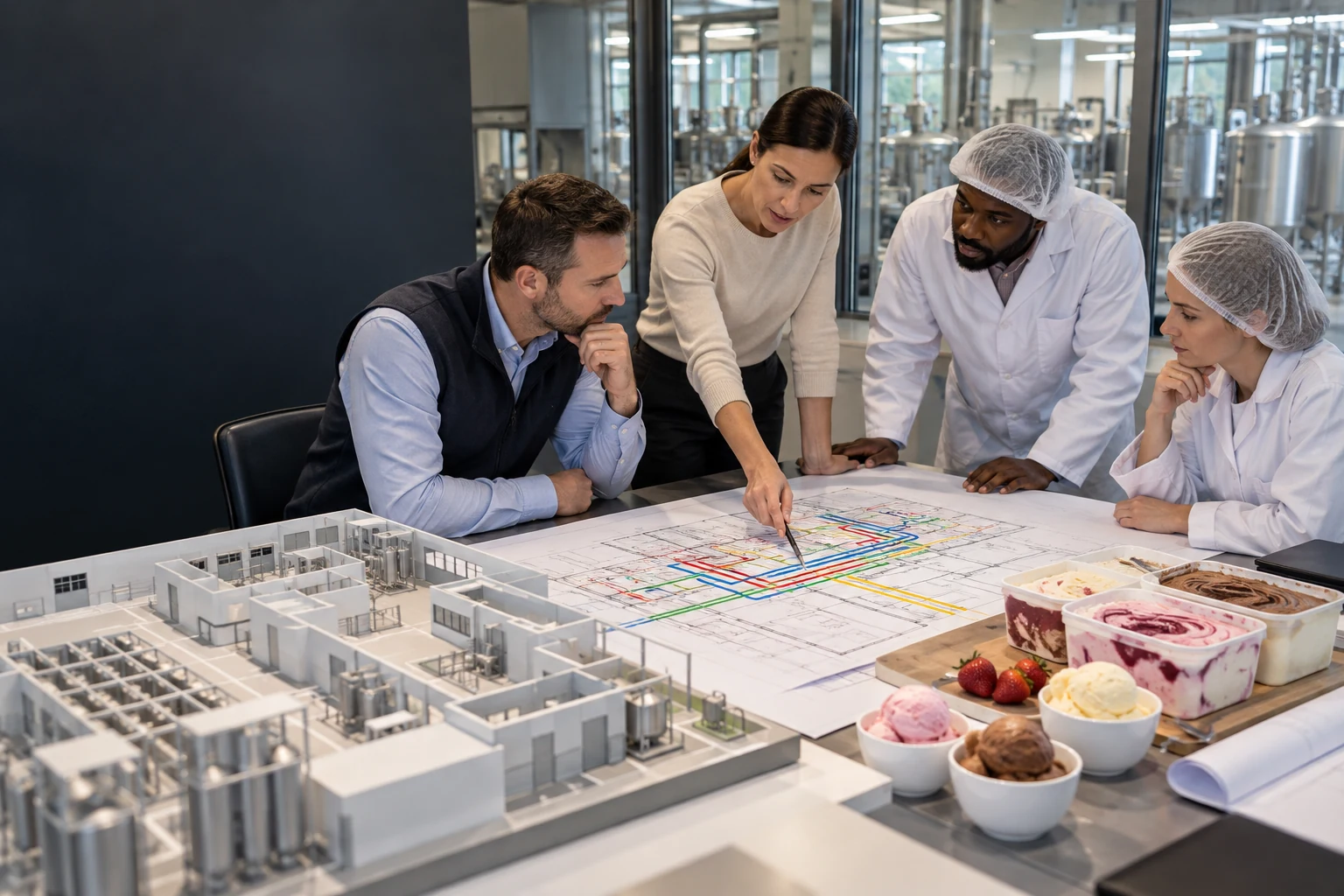
Owner-side engineering and food facility project-review illustration

DPS Engineering Services

Keep the Owner’s Priorities in the Project

Owner’s Representative

Design · Build · Manage

Food and beverage projects connect engineering, construction, suppliers, regulatory requirements, and live operations. DPS provides owner-side technical review and project oversight so decisions can be assessed against the agreed scope, budget, schedule, and operating intent. A pure owner’s representative engagement is separate from performing the same project’s design or construction; any wider role requires clear contracts and documented responsibilities. Reviews connect commercial decisions with the installed process.

The Service

Technical Oversight on the Owner’s Side

An owner’s representative needs enough engineering understanding to assess substitutions, review submittals, and coordinate decisions across process, mechanical, electrical, structural, plumbing, and controls work. DPS connects that technical review with procurement, field observation, change analysis, commissioning, and the facility record the owner will use after turnover. Engagement scope and decision authority are established before oversight begins.

The Challenges We Help You Address

01

Commercial Decisions Without Owner-Side Review

A proposed substitution or change can alter process temperatures, cleaning-chemical compatibility, maintainability, cost, or applicable requirements. The owner needs technical and commercial review before accepting a change to the approved scope.

02

Accountability Split Across Trades

Process piping, refrigeration, mechanical, electrical, structural, controls, and sanitation teams may have separate managers and assumptions. Unresolved interfaces can become rework or schedule conflicts that fall back to the owner.

03

Regulatory Requirements Found at Punch List

USDA-FSIS inspection requirements, FDA preventive controls, and SQF or BRC site criteria affect the design. Their requirements need review during development, with approval responsibilities defined before construction reaches closeout.

04

Construction That Ignores Production Priorities

An operating-plant retrofit has shift patterns, changeovers, cleaning windows, and seasonal peaks. Owner-side oversight must connect the field sequence with the operations team’s requirements for access, outages, and continuity.

Owner-side engineering and food facility project-review illustration

The DPS Approach

Define the Role, Then Review the Engineering Substance

DPS begins by agreeing the owner’s operating objectives, authority, scope, and oversight responsibilities. Design and submittal reviews assess the actual process implications: for example, glycol-piping substitutions against temperatures, CIP chemicals, and maintenance, or panel schedules against later automation expansion. Reviews connect the technical decision with budget, schedule, and long-term use of the facility.

Pure owner’s representative work is oversight and advocacy, without simultaneous design or construction execution on that project. If the owner requests a wider delivery arrangement, contractual separation, disclosure, and documented independence responsibilities must be established. Site observation, contractor reporting, change evaluation, commissioning checks, and turnover records are then coordinated within the agreed owner-side mandate.

Capabilities

The Disciplines Behind the Delivery.

Give the owner a technical advocate across scope definition, design review, procurement, construction, installation, and turnover. DPS reviews project decisions against operating and investment priorities, coordinates owner-side oversight, and defines contractual role boundaries where separate design, construction, or wider delivery services are also under consideration.

Scope and Investment Alignment

Review the project charter, scope, budget basis, contractor criteria, and success measures against the owner’s production goals before design commitments expand.

Engineering and Submittal Review

Track specifications, P&ID comments, utility-load verification, hygienic requirements, and provisions for future expansion through a documented review process.

Bid and Procurement Evaluation

Compare bids on consistent scope, review supplier qualifications and commercial assumptions, and track equipment lead times and procurement decisions.

Construction and Change Oversight

Connect site observations, RFIs, coordination minutes, and change-order analysis with the approved technical scope, cost, and programme.

Installation and Controls Verification

Review equipment alignment, anchors, utility tie-ins, PLC/SCADA functions, I/O, recipes, alarms, and interlocks against the owner’s requirements.

Commissioning and Turnover Support

Coordinate protocols, punch lists, utility and CIP checks, operator training, as-built records, warranty status, maintenance information, and lessons learned.

Scope & Deliverables

Define What the Work Will Deliver.

Use this scope framework to discuss the outputs, interfaces, and acceptance requirements for your project. The engagement defines the work and responsibilities to be included.

Owner’s Representative Scope and Deliverables
Project PhaseDeliverablesOversight Focus
Pre-Design & Planning
  • Scope validation report
  • Capital budget benchmarking
  • Contractor pre-qualification criteria
  • Project charter development

Verify project scope aligns with production goals and approved investment thesis before design begins

Design Development
  • Engineering submittal review log
  • Specification compliance matrix
  • P&ID markup and comment tracking
  • Utility load verification

Ensure all drawings and specifications reflect owner’s operational intent, regulatory requirements, and future expansion provisions

Bidding & Procurement
  • Bid evaluation matrix
  • Vendor qualification audits
  • Contract term recommendations
  • Equipment lead-time tracking

Protect owner’s commercial position through scope-aligned bid comparison and contract language review

Construction Administration
  • Weekly site observation reports
  • RFI tracking and resolution log
  • Change order analysis with cost and schedule impact
  • Trade coordination minutes

Identify and resolve field conflicts before they generate rework; hold contractors accountable to approved scope and schedule

Equipment Installation
  • Installation quality inspection reports
  • Process piping and utility tie-in verification
  • Equipment alignment and anchor bolt audits

Confirm equipment installed per manufacturer specifications and DPS-reviewed process design documents

Controls & Automation
  • PLC/SCADA functional specification review
  • I/O checkout verification
  • Recipe and batch logic validation
  • Alarm and interlock testing

Verify automation systems deliver the operator experience and data visibility defined in the owner’s functional requirements

Commissioning & Startup
  • Commissioning protocol
  • Punch list management
  • Utility system performance verification
  • CIP cycle validation
  • Operator training coordination

Document performance baselines, commissioning checks, training, and the resolution or agreed disposition of remaining deficiencies before the owner accepts turnover.

Turnover & Closeout
  • As-built document package
  • Warranty tracking matrix
  • Maintenance schedule recommendations
  • Lessons-learned report

Provide an organized facility record showing warranty status, maintenance information, and the disposition of outstanding contractor obligations.

Common Questions

Before We Start.

Questions About Owner’s Representative

View All DPS FAQs
What Does an Owner’s Representative Do for a Food Manufacturer?

The role acts on behalf of the facility owner within an agreed authority, reviewing engineering, coordinating contractors, monitoring budget and schedule, and assessing changes. Food and beverage projects also require attention to process interfaces, utilities, sanitation, and regulatory obligations. An engineering-informed representative helps the owner evaluate decisions across those scopes and retain a documented basis for approvals.

How Is the Owner’s Representative Role Kept Independent?

Define the engagement and its contractual boundaries before work begins. In a pure owner’s representative assignment, DPS provides oversight rather than performing design or construction on the same project. A requested combination of services needs transparent disclosure, separate responsibilities, and documented independence arrangements. The owner should confirm decision authority, reporting, conflicts, and approval routes in the contract.

When Should an Owner’s Representative Be Engaged?

Early involvement can support capital planning, scope definition, contractor selection, and review of the design basis. The role can also begin during construction where cost, programme, or coordination issues need assessment. For a later entry, agree the available records, current-state review, immediate priorities, and corrective oversight scope; the review period depends on the conditions and information available.

Can DPS Provide Owner-Side Oversight Across Different Locations?

DPS supports projects in the United States and Canada through its North Carolina and California bases and specialist network. Document review, cost analysis, and submittal evaluation can be coordinated remotely, with site visits and local oversight defined for the project. Regional labour information, trade availability, permitting responsibilities, and required professional approvals are considered for the particular location.

Which Projects Can Benefit From Owner’s Representation?

New facilities, phased expansions, relocations, complex process installations, aseptic systems, inspected protein lines, and multi-format co-packing projects can involve many owner-side decisions. The need is strongest where the manufacturer’s internal team cannot cover all engineering and construction interfaces. Agree the required advocacy and oversight role before deciding whether a standalone owner’s representative or another delivery arrangement best fits the project.

Connect the Next Part of Your Project.

Explore All Services

The Next Conversation

Define the Owner-Side Role Before the Next Decision

Share the current project stage, contracts, design information, open decisions, and internal resources. The next conversation can establish the oversight mandate, independence boundaries, and reporting the owner needs.

Discuss Your Project