01
Fragmented Trade Schedules
A late refrigeration package can affect insulation, electrical work, controls, and commissioning. Trade-level dependencies and recovery options need review before their effects accumulate across the programme.

DPS Engineering Services
Project & Program Management
Design · Build · Manage
A facility programme depends on how engineering, suppliers, trades, regulatory milestones, and production requirements connect. DPS manages those relationships through scope definition, technical reviews, schedules, costs, procurement, risk, and site oversight. The role can support a standalone owner-side assignment or a wider delivery engagement, with authority, contracts, reporting, safety responsibilities, and approval paths established for the project. Technical decisions remain connected to cost and programme implications.
The Service
Management needs to address the engineering substance behind the dates and reports. DPS reviews submittals, resolves scope interfaces, coordinates field decisions, and links procurement with installation and startup. For phased expansions or multi-site programmes, the work also maintains common specifications, procurement arrangements, and lessons learned across related projects, while keeping each project’s responsibilities and acceptance conditions defined.
01
A late refrigeration package can affect insulation, electrical work, controls, and commissioning. Trade-level dependencies and recovery options need review before their effects accumulate across the programme.
02
Utility conflicts, specification gaps, and late requirements can change the scope. Cost, schedule, contingency, and approval implications need a documented workflow rather than ad hoc field decisions.
03
P&IDs, equipment dimensions, trade methods, and field conditions must be reconciled during execution. Management needs access to engineering judgement and clear design authority when changes are required.
04
USDA inspection, FDA cGMP, SQF criteria, and state or local requirements affect design and construction. Their applicable milestones and review responsibilities belong in the programme before commissioning begins.
The DPS Approach
DPS develops scope with operations, engineering, and finance, then coordinates submittals, procurement, trade-level schedules, costs, changes, and field interfaces. The programme accounts for sanitary welding, vessel lead times, CIP cutovers, and controls milestones required before commissioning. Quality, safety, and risk reviews are connected to the work and approval routes defined for the engagement.
For related projects, DPS can establish shared specifications, procurement frameworks, and lessons-learned practices across phases or sites. Technical leadership works with qualified regional contractors selected for relevant project experience, commercial capability, and safety performance. Management can be provided independently of design or construction, including projects delivered by third parties, with owner-side and execution responsibilities distinguished in the contracts.
Capabilities
Connect engineering decisions with procurement, trade sequences, budget, risk, quality, safety, and commissioning. DPS manages individual food and beverage projects and related capital programmes, including third-party designs and contractors, with defined reporting, approvals, production constraints, and turnover requirements from scope definition through closeout.
Use stakeholder workshops, capacity targets, gap reviews, a project charter, and agreed success criteria to define what the project is intended to deliver.
Coordinate critical-path schedules, trade-level detail, weekly look-aheads, pull planning, milestone gates, variance analysis, and recovery actions.
Track committed and forecast cost, approval workflows, contingency use, probability and impact, mitigation actions, and escalation responsibilities.
Connect equipment specifications, bid evaluations, purchase orders, expediting, delivery tracking, and factory testing with the programme.
Coordinate installation inspections, sanitary welding, material traceability, testing, corrective actions, site-specific safety, briefings, and incident reporting within defined responsibilities.
Maintain standards across phases, collect as-builts and warranties, organize O&M records, close punch lists, and carry lessons learned into later projects.

Build a food plant interface matrix covering building, process, utilities and controls, using a four-system integration lesson and explicit owners.

Release long-lead food equipment with clear product, utility and interface decisions, comparing early commitment with unresolved change exposure.
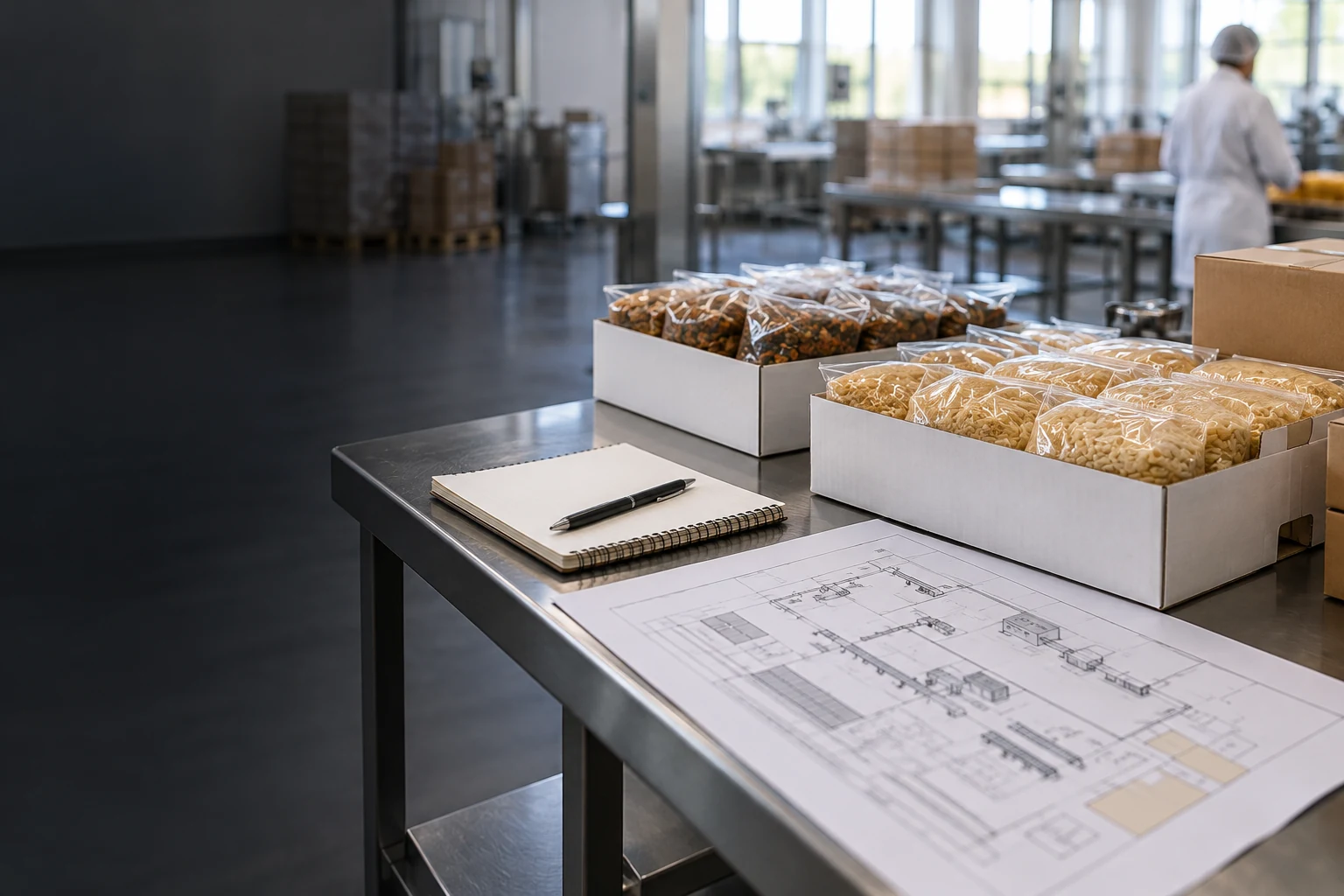
Set food plant performance acceptance by product, pack, operating time and saleable output, distinguishing phased release from full-system acceptance.
Scope & Deliverables
Use this scope framework to discuss the outputs, interfaces, and acceptance requirements for your project. The engagement defines the work and responsibilities to be included.
| Management Dimension | Execution Method | Owner Deliverables |
|---|---|---|
| Scope Definition |
| Scope of Work document, basis-of-design narrative, project charter with success criteria |
| Schedule Control |
| Master project schedule, weekly status reports, schedule variance analysis with recovery plans |
| Budget Management |
| Monthly cost reports, change order impact summaries, final cost reconciliation at closeout |
| Procurement |
| Procurement log, vendor evaluation matrices, delivery and lead-time tracker |
| Quality Assurance |
| Quality inspection reports, non-conformance logs, corrective action tracking |
| Safety Management |
| Safety plan document, weekly safety metrics, incident reports |
| Risk Management |
| Risk register, mitigation action log, escalation protocols |
| Closeout & Turnover |
| As-built drawing package, warranty tracker, O&M documentation, lessons-learned report |
Project management covers a defined assignment such as a line installation, facility build, or system upgrade through turnover. Programme management coordinates related projects or phases against a longer-term objective, such as an expansion roadmap or multi-site standardization. It maintains common specifications, procurement frameworks, decision gates, and lessons learned while tracking the responsibilities and outcomes of each individual project.
Yes. Standalone project or construction management can coordinate third-party engineering, vendors, and construction trades. The engagement defines submittal reviews, cost and schedule control, quality oversight, and the owner’s decision routes. DPS management does not automatically replace the designer’s professional responsibilities, the contractor’s statutory duties, or the owner’s authority; those interfaces should be stated in the agreements.
Complexity matters alongside physical size. A system upgrade, relocation, new plant, or phased co-packing programme may need coordination across engineering, utilities, controls, suppliers, and trades. Assess the owner’s available resources, procurement lead times, operating constraints, regulatory milestones, and number of interfaces. The management scope and reporting effort are then defined around the assignment’s actual coordination needs.
DPS coordinates engineering reviews, scope decisions, scheduling, cost reporting, and quality oversight with regional trade execution. Partner selection can consider prior project work, commercial capability, safety records, and food-facility experience. The contract and site plan establish who supplies labour, who supervises each package, and who is accountable for reporting, quality checks, safety, and jurisdiction-specific duties.
Use the owner’s shift patterns, seasonal peaks, cleaning periods, and maintenance shutdowns as planning inputs. Phase the work to separate construction from production and place utility cutovers, tie-ins, and equipment changes within windows reviewed by operations. Site hygiene, allergen control, contamination prevention, access, and acceptance checks are coordinated with the owner’s food-safety procedures before execution.
Project Experience
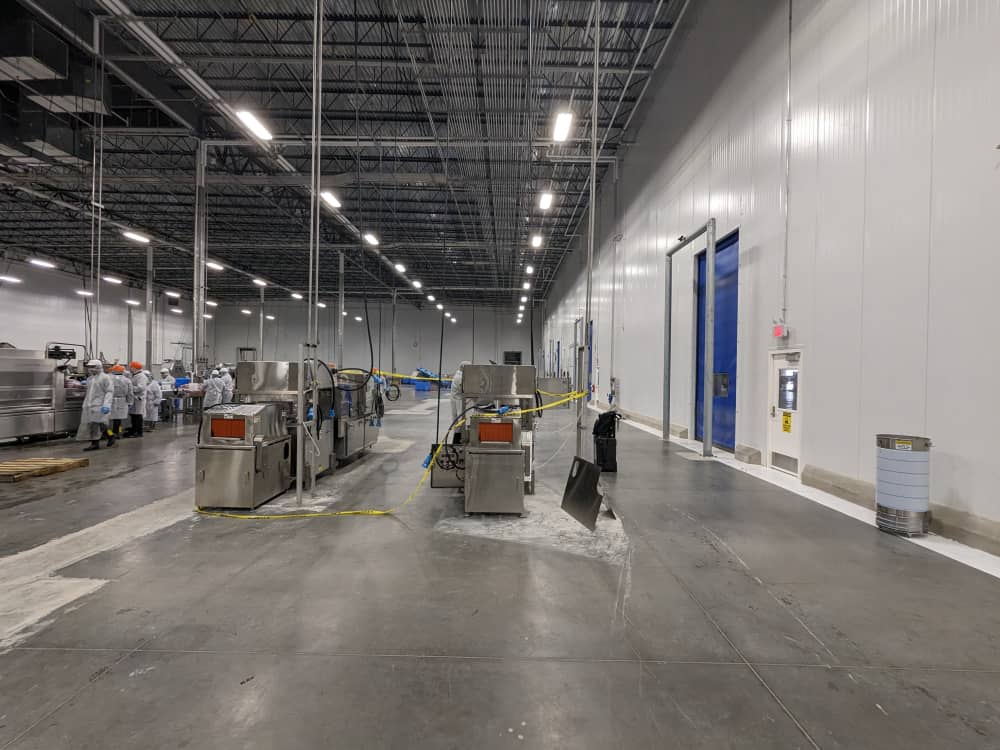
Golden West Food Group
Explore the Golden West Food Group relocation from Los Angeles to Fort Worth, including facility buildout, equipment logistics, utilities, and commissioning.
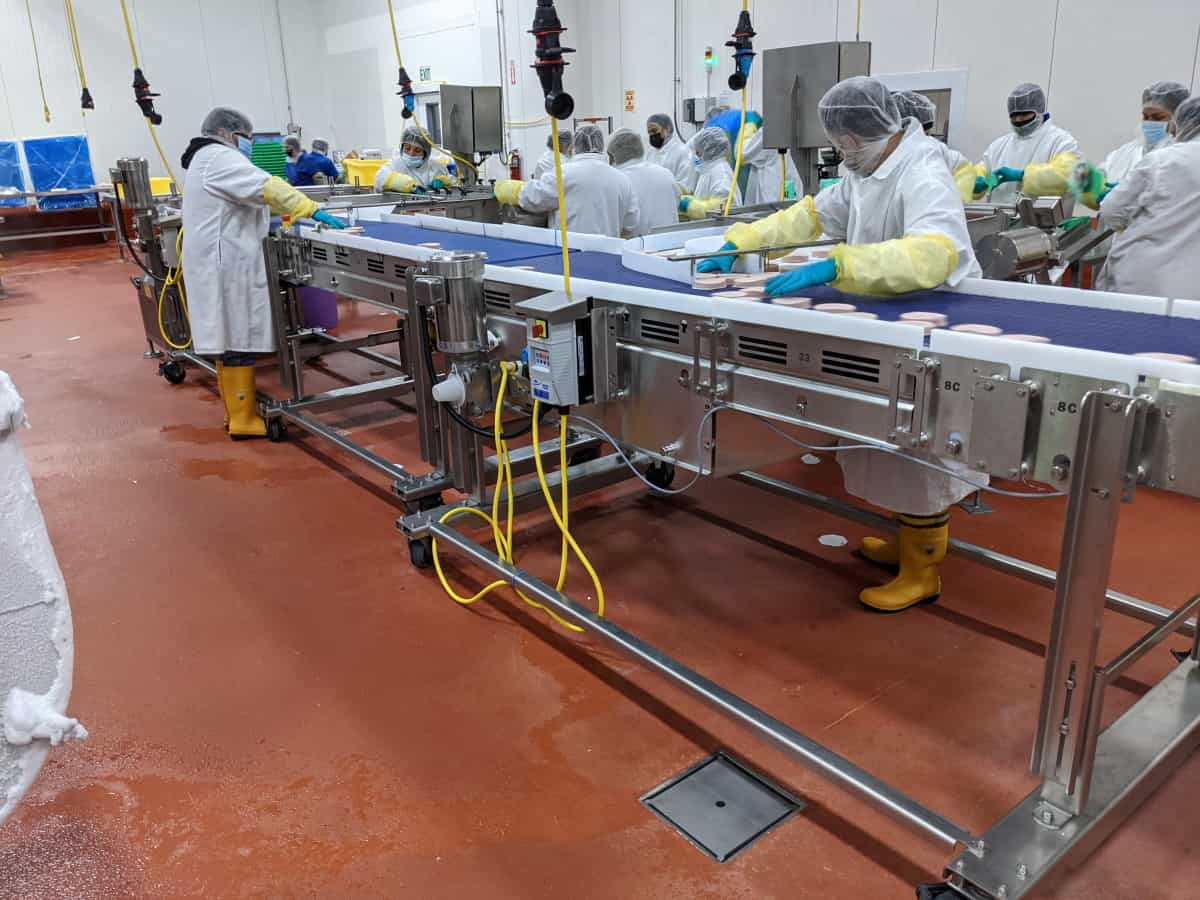
Confidential Client
See how DPS coordinated a ground beef line project in an operating Los Angeles facility, with phased installation and early lower-rate production.

Owner-side technical review, scope oversight, procurement support, budget and schedule analysis, installation verification, and commissioning coordination.
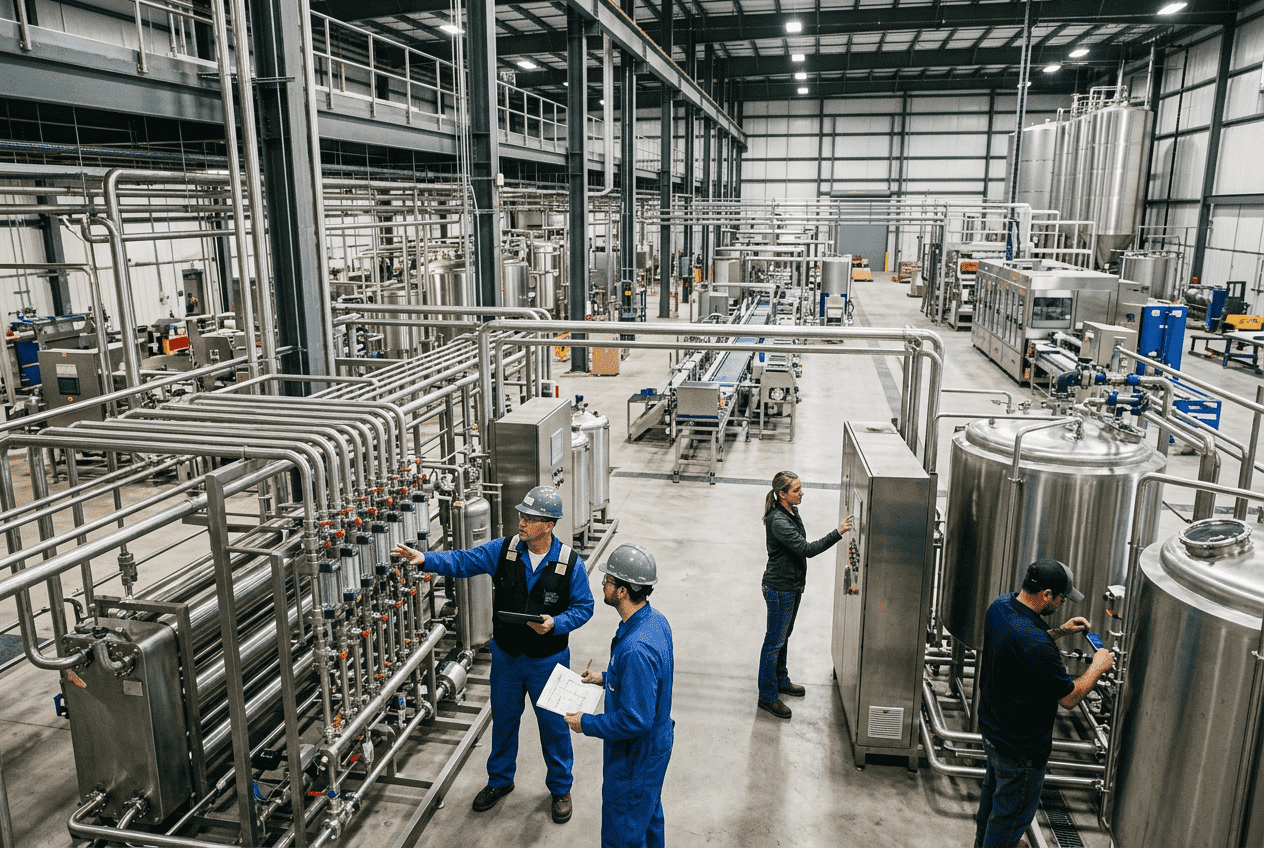
Coordinate food plant building trades, process equipment, sanitary infrastructure, utilities, controls, and commissioning within a defined contracting structure.
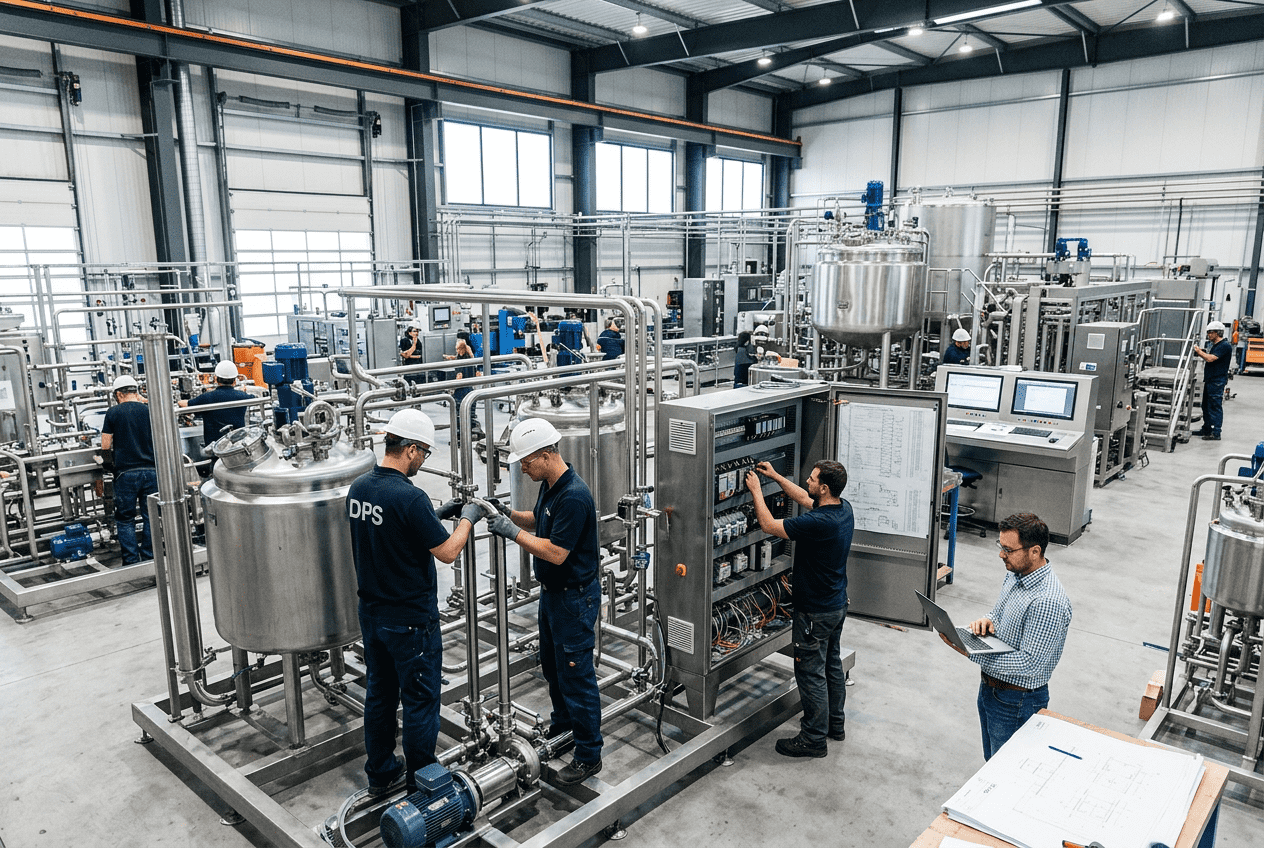
Coordinate process piping, equipment setting, utilities, power, instrumentation, controls, CIP, commissioning, and turnover for food and beverage facilities.
The Next Conversation
Share the scope, delivery team, procurement status, schedule, cost position, and operating constraints. DPS can help define the technical management, reporting, approval routes, and coordination the project or programme requires.
Discuss Your Project