01
Inconsistent Batch Execution
Manual additions, subjective temperature decisions, and undocumented deviations can create variation between shifts. Recipes, operating states, and exception handling need a defined and reviewable control basis.
DPS Engineering Services
Automation & Controls
Design · Build · Manage
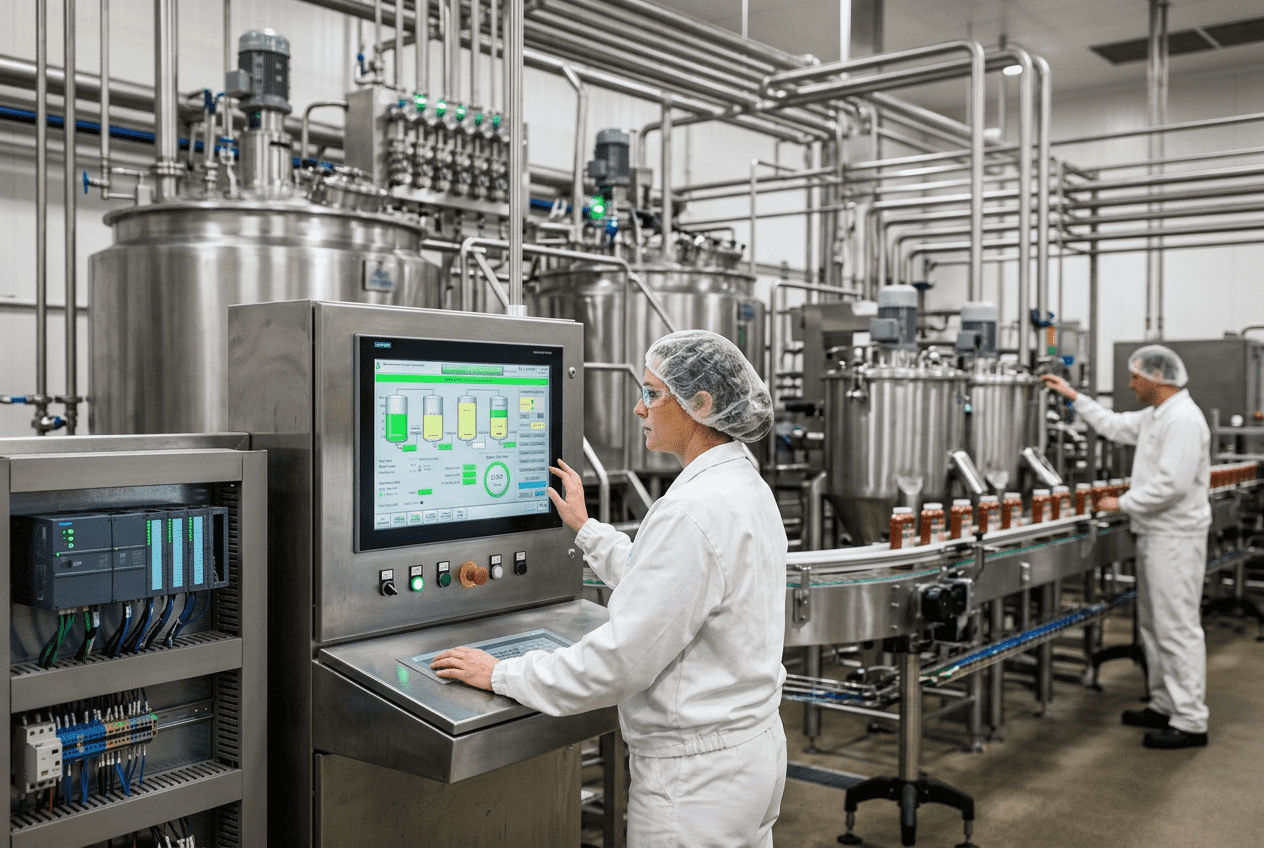
Automation starts with the process and the people operating it. DPS maps unit operations, writes functional descriptions, and coordinates PLC, SCADA, HMI, recipe, batch, and utility interfaces. The scope can cover a focused retrofit or the controls layer of a wider project, with testing, records, training, access, and ongoing support responsibilities defined for the application. Operator tasks and maintenance needs inform platform and interface choices.
The Service
A coordinated control system can bring recipes, sequence states, alarms, throughput information, utility use, and production records into a defined operating structure. DPS connects process requirements with programming, panel and network interfaces, installation, and commissioning. Platform choices and the level of automation are considered alongside existing equipment, operator needs, maintainability, and the investment question.
01
Manual additions, subjective temperature decisions, and undocumented deviations can create variation between shifts. Recipes, operating states, and exception handling need a defined and reviewable control basis.
02
Separate equipment controls may leave operators without a common view of throughput, downtime causes, and utility consumption. Data collection needs to support investigation of the actual line constraint.
03
Critical process data, alarms, deviations, and audit trails must reflect the applicable product and quality requirements. Electronic-record obligations and validation responsibilities need a project-specific assessment rather than an assumed universal software configuration.
04
A platform can be unnecessarily complex or unable to support the needed sequence, records, and expansion. Selection should consider process economics, existing standards, parts, support skills, and future changes.
The DPS Approach
DPS begins with a process review and controls narrative, mapping unit operations and describing sequences in plain language. Process engineers define the operating requirements, controls engineers develop the architecture, and the installation team coordinates physical interfaces. HMI navigation, alarm hierarchy, recipes, and operator tasks are considered with production targets and budget.
The implementation scope connects code, equipment handshakes, networks, testing, and startup. Brownfield cutovers can be phased around agreed windows, using pretested code and acceptance protocols. The review can also identify a controls or operating change that addresses a constraint before new equipment is justified. Documentation, training, and any continuing support are agreed so the owner can maintain and evolve the system.
Modernization starts by agreeing what equipment and control behavior must be retained. Review program backups, manual workarounds, recipe ownership and supplier interfaces; define permissions, failure recovery and configuration ownership before cutover. Testing and operator handover cover the revised process as well as the new controls.
Capabilities
Connect PLC programming, SCADA, recipes, batch control, cleaning sequences, utilities, and production records around the way the line operates. DPS defines functional requirements with process and field teams, supporting targeted controls upgrades, brownfield cutovers, and broader facility automation with documentation and training for the owner’s team.
Develop ladder logic, structured text, and function-block programmes for the selected Allen-Bradley, Siemens, or other agreed platform, covering unit operations, interlocks, and sequencing.
Coordinate servers, process visualization, alarms, historical trends, reporting, and role-based access around the lines and people using the system.
Develop ISA-88-aligned recipes and phases where appropriate, with ingredient scaling, formulation versions, batch records, and operator-controlled changes.
Define cleaning and sterilization sequences, dosing, monitored parameters, records, and deviation handling with the responsible process and validation parties.
Monitor and coordinate boilers, compressed air, glycol, refrigeration, and HVAC against operating demand and required environmental conditions.
Plan connections to existing equipment and migrations from legacy relay or DCS arrangements to the agreed PLC/SCADA infrastructure, with cutover and recovery responsibilities defined.
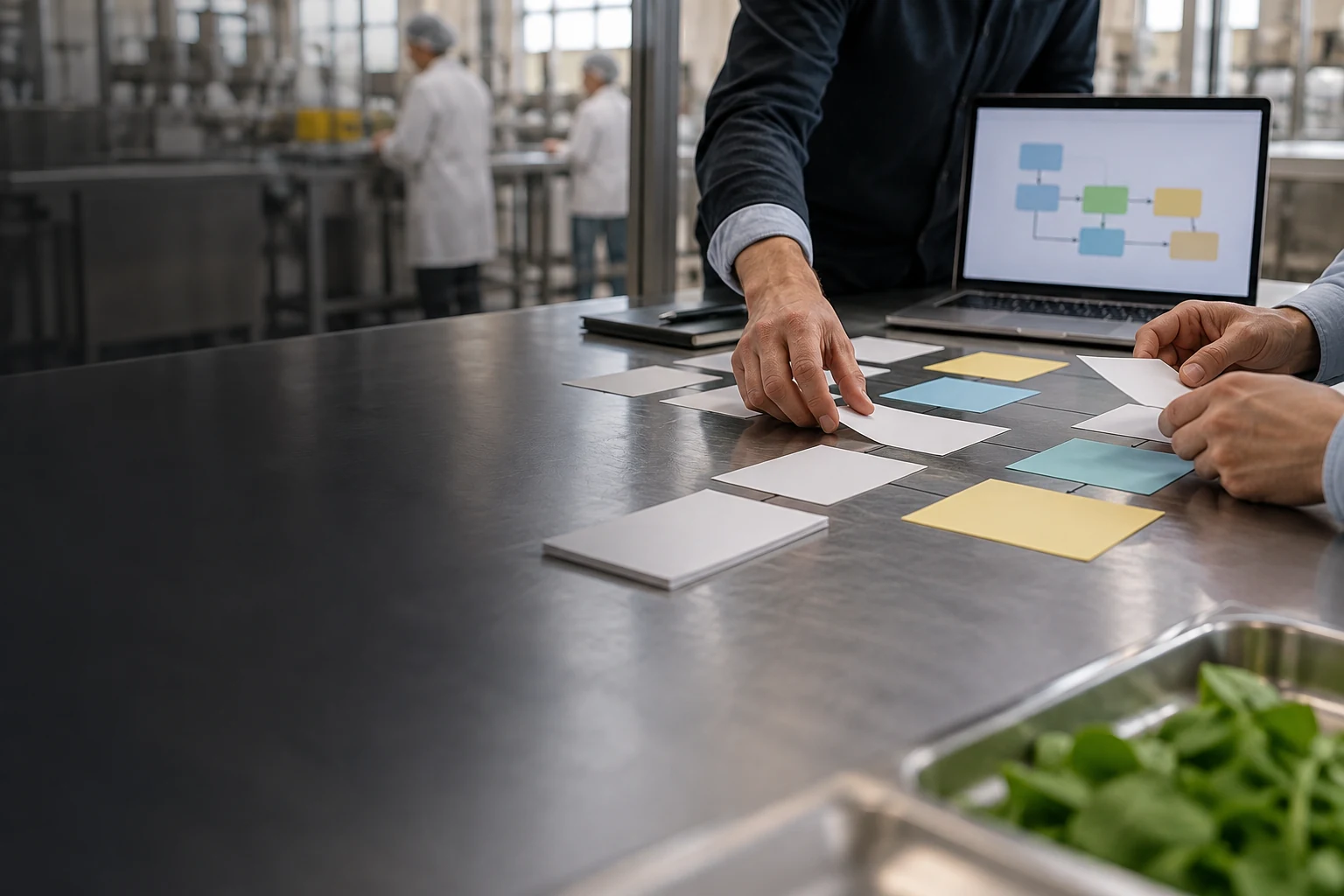
Define food plant automation narratives, recipes, permissives, data duties and OEM interfaces before buying equipment, with an acceptance-scenario example.
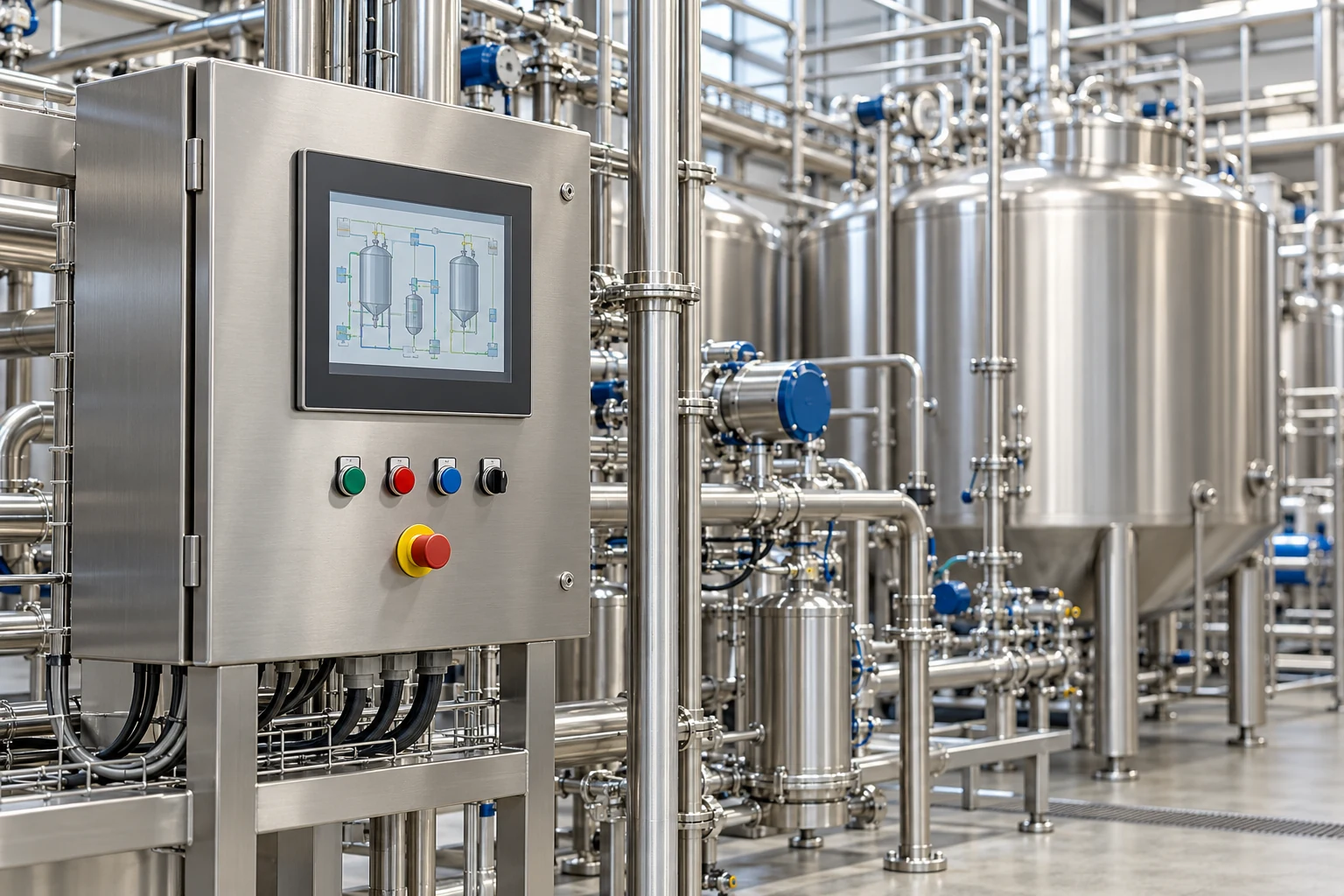
Plan PLC logic, HMI / SCADA, instruments, OEM handshakes, backups and controlled recovery around the actual food production process.
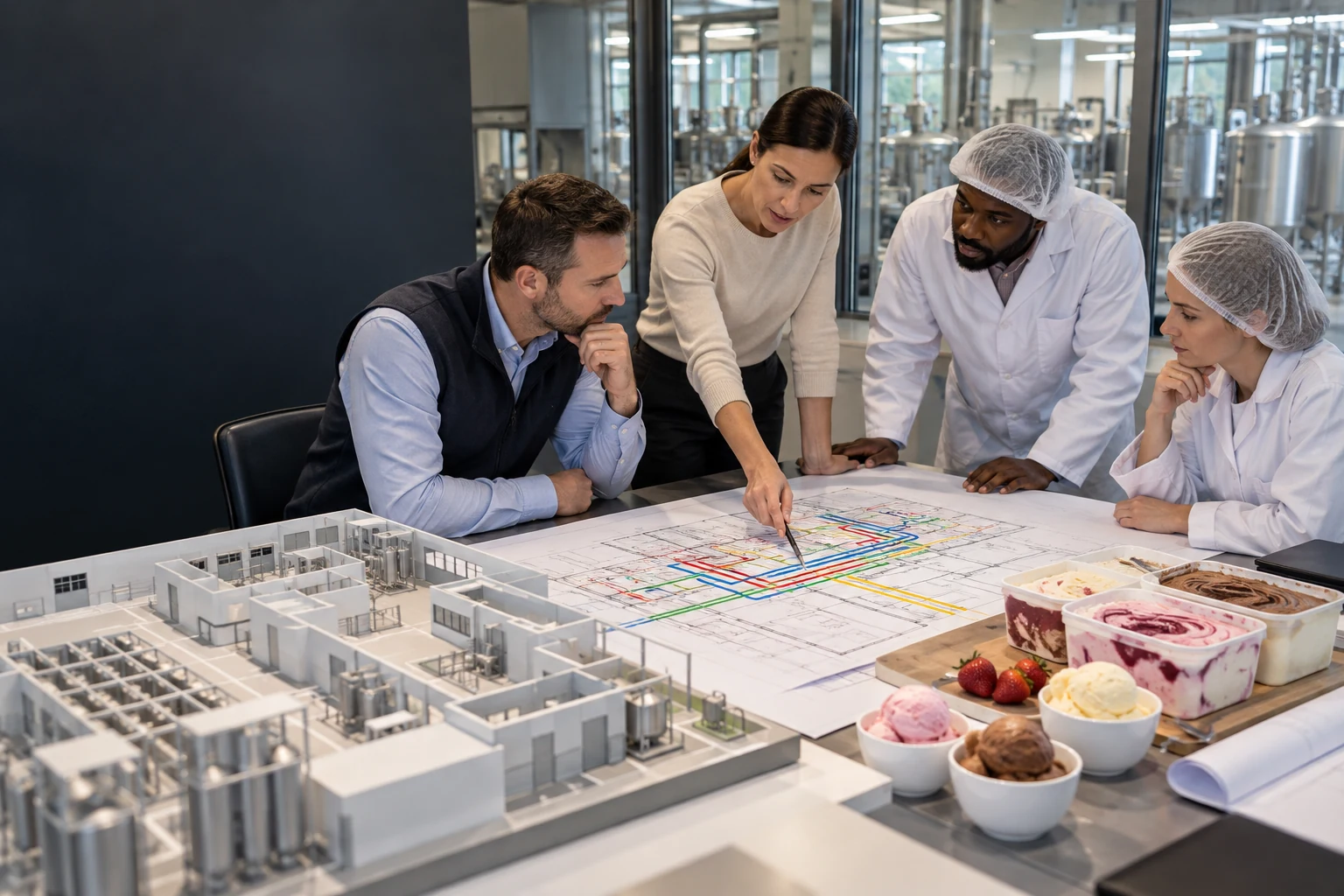
Build a food plant interface matrix covering building, process, utilities and controls, using a four-system integration lesson and explicit owners.
Scope & Deliverables
Use this scope framework to discuss the outputs, interfaces, and acceptance requirements for your project. The engagement defines the work and responsibilities to be included.
| System Area | Scope | Deliverables |
|---|---|---|
| PLC Programming |
| Functional description, PLC code (IEC 61131-3), I/O list, FAT/SAT protocols |
| SCADA / HMI |
| SCADA architecture drawing, HMI screen navigation map, alarm rationalization matrix |
| Batch Control |
| Recipe master templates, batch records with electronic signatures, changeover procedures |
| Recipe Management |
| Recipe database, access-controlled editor interface, audit trail configuration |
| CIP/SIP Automation |
| CIP circuit P&IDs, cycle verification or validation reports within the agreed scope, and deviation-alarm configuration. |
| Energy Management |
| Utility dashboard, baseline consumption report, automated setpoint optimization |
| Network & Infrastructure |
| Network topology drawing, firewall rule set, remote access policy documentation |
| Commissioning & Startup |
| Commissioning punch list, training manuals, as-built control system documentation |
Platforms can include Allen-Bradley ControlLogix and CompactLogix, Siemens S7-1500, and other agreed architectures. Selection should reflect the installed base, corporate standards, application complexity, spare-parts strategy, and the maintenance team’s skills. The package can include functional descriptions, I/O lists, annotated code, and supporting records so the owner and future support providers understand the implementation.
Brownfield work can be phased through scheduled maintenance or planned downtime, subject to the process and equipment interfaces. Define the cutover sequence, rollback or recovery arrangements, acceptance checks, and owner approvals before field deployment. Factory testing of code and interfaces can reduce uncertainty before commissioning, while site testing confirms the installed system and coordinated operating sequence.
Establish the required evidence and applicable rules with the owner’s quality team. The design can include critical-process records, audit trails, alarm logging, deviation alerts, controlled access, and reviewable batch information. Applicability of 21 CFR Part 11 principles, FSMA preventive controls, and SQF or BRC requirements must be assessed for the particular use; configured software alone does not establish regulatory approval or site certification.
An engagement can cover a targeted PLC upgrade, a single-line SCADA deployment, recipe or batch improvements, or a wider facility-controls programme. Automation can be a standalone assignment or part of Design-Build-Manage delivery. Define the unit operations, equipment interfaces, documentation, data, testing, cutover, and training requirements before agreeing the budget and implementation schedule.
Turnover can include operator training, structured and documented code, as-built records, and the information the owner needs to run the system. Continued support may include agreed remote monitoring, periodic health reviews, and programming changes as production requirements evolve. Scope, access permissions, cybersecurity responsibilities, support availability, and commercial terms should be defined for that continuing arrangement.
Project Experience
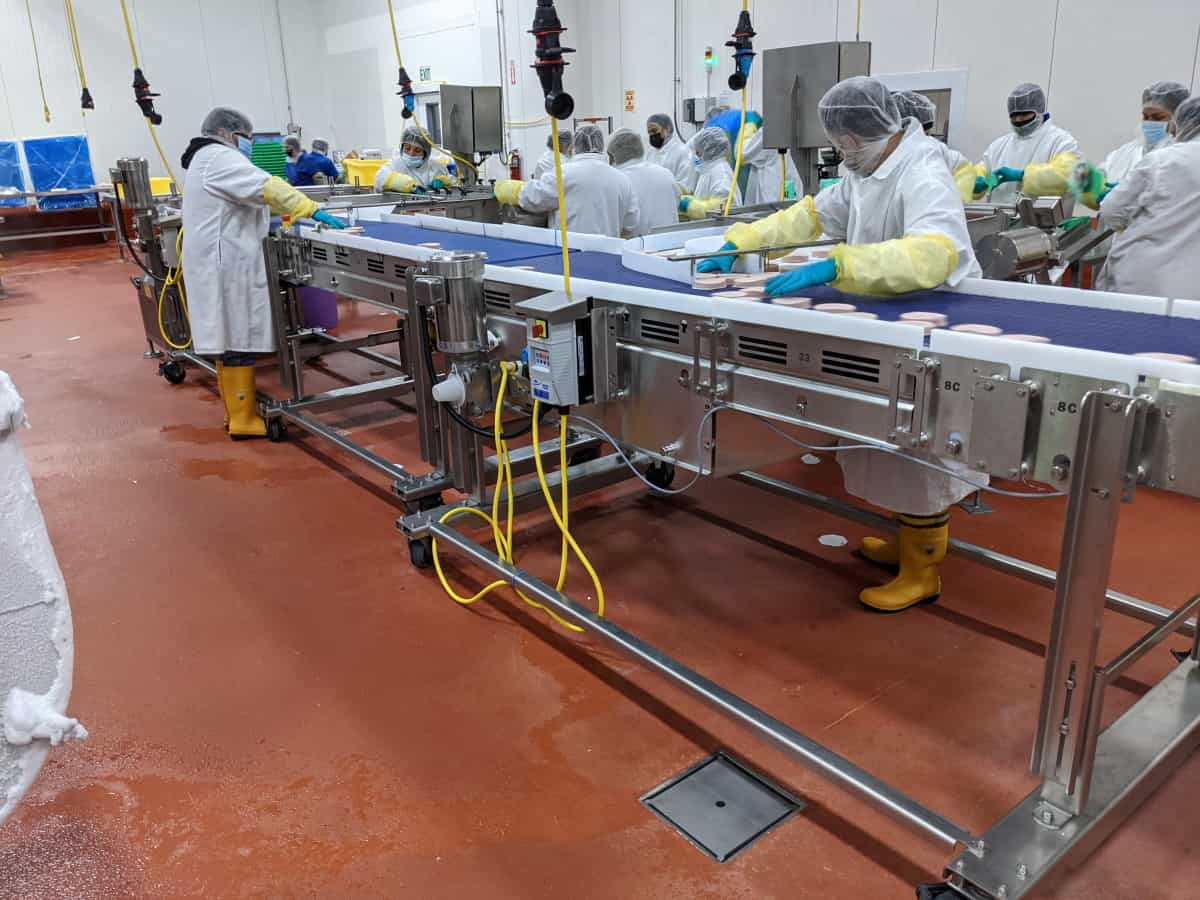
Confidential Client
See how DPS coordinated a ground beef line project in an operating Los Angeles facility, with phased installation and early lower-rate production.
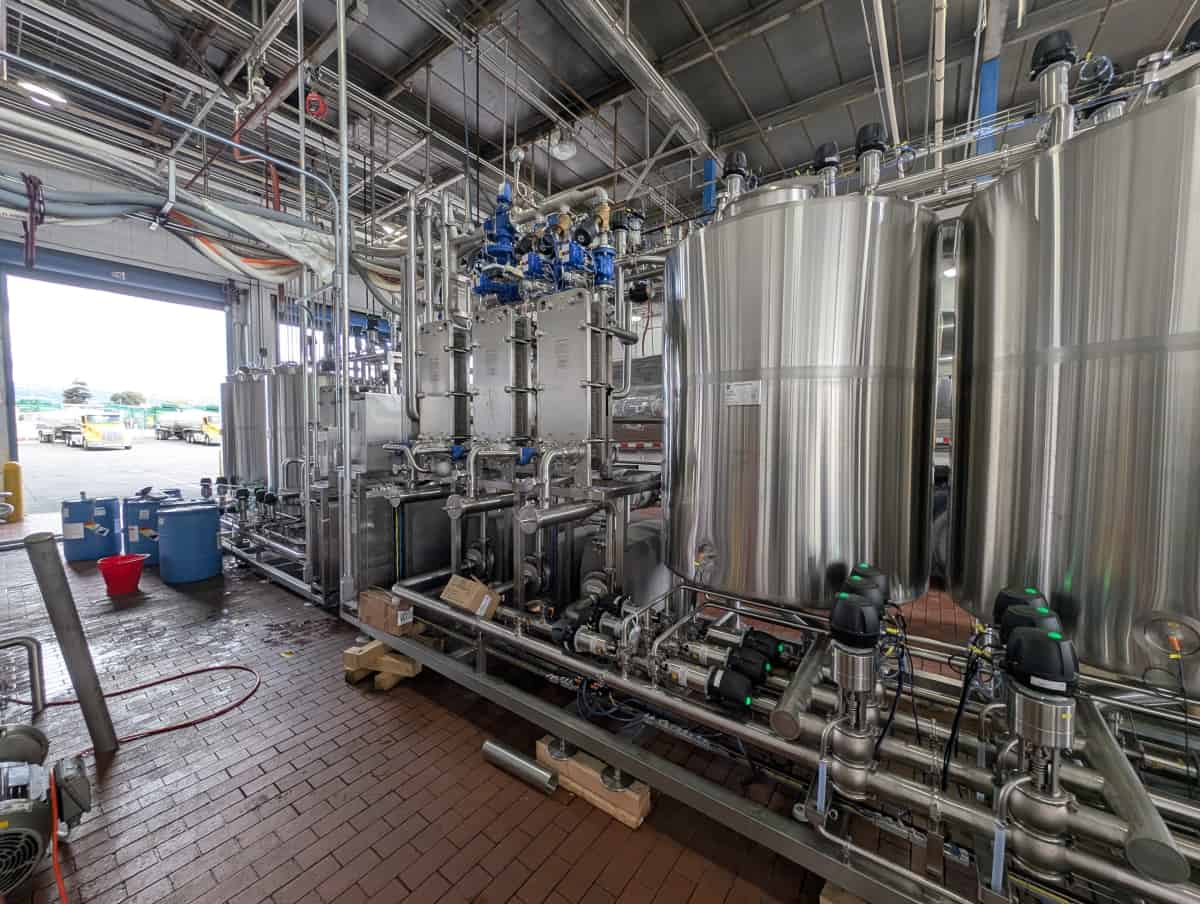
Albertsons
Explore an Albertsons CIP and air-farm upgrade delivered through offsite prefabrication, staged tie-ins, and three planned outage windows.
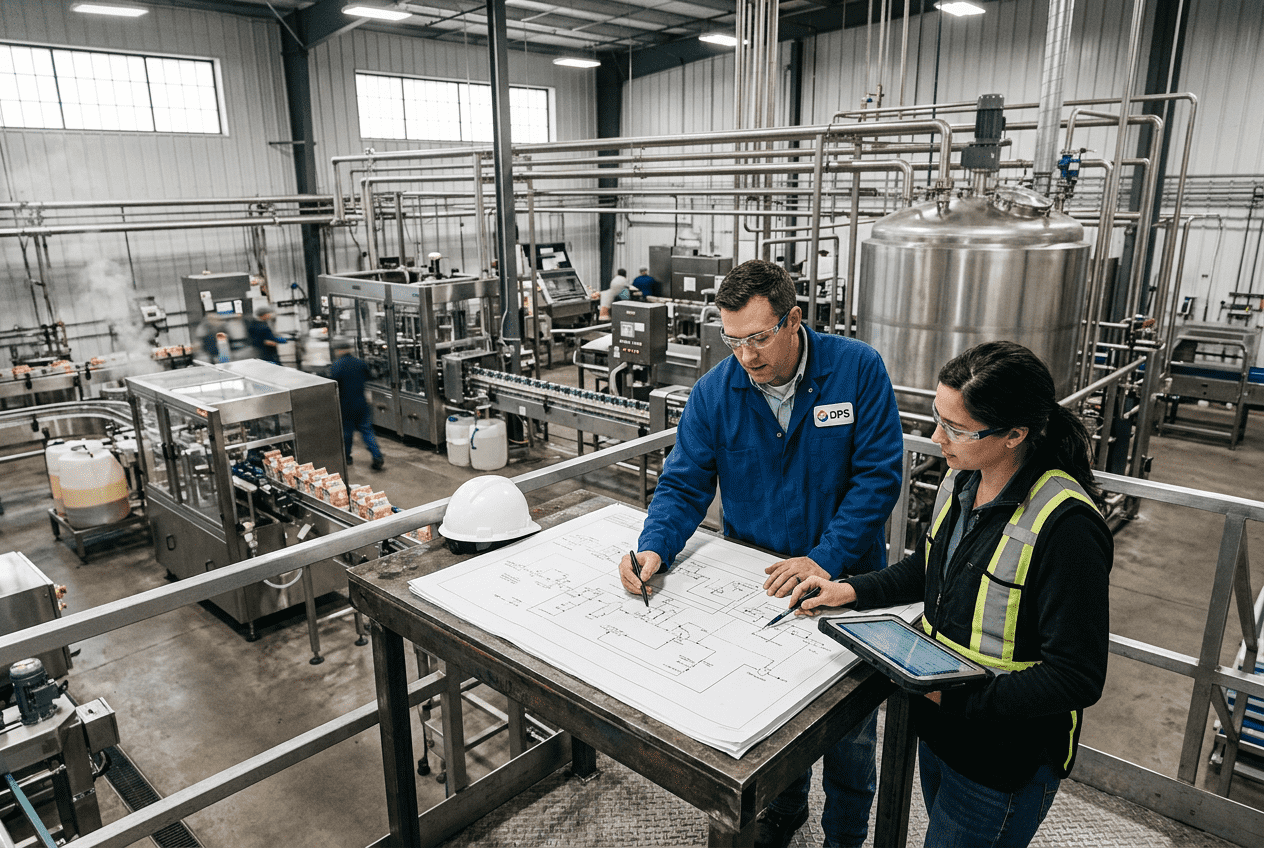
Coordinate process diagrams, facility layouts, utility loads, hygienic requirements, controls specifications, and capital planning for food and beverage facilities.
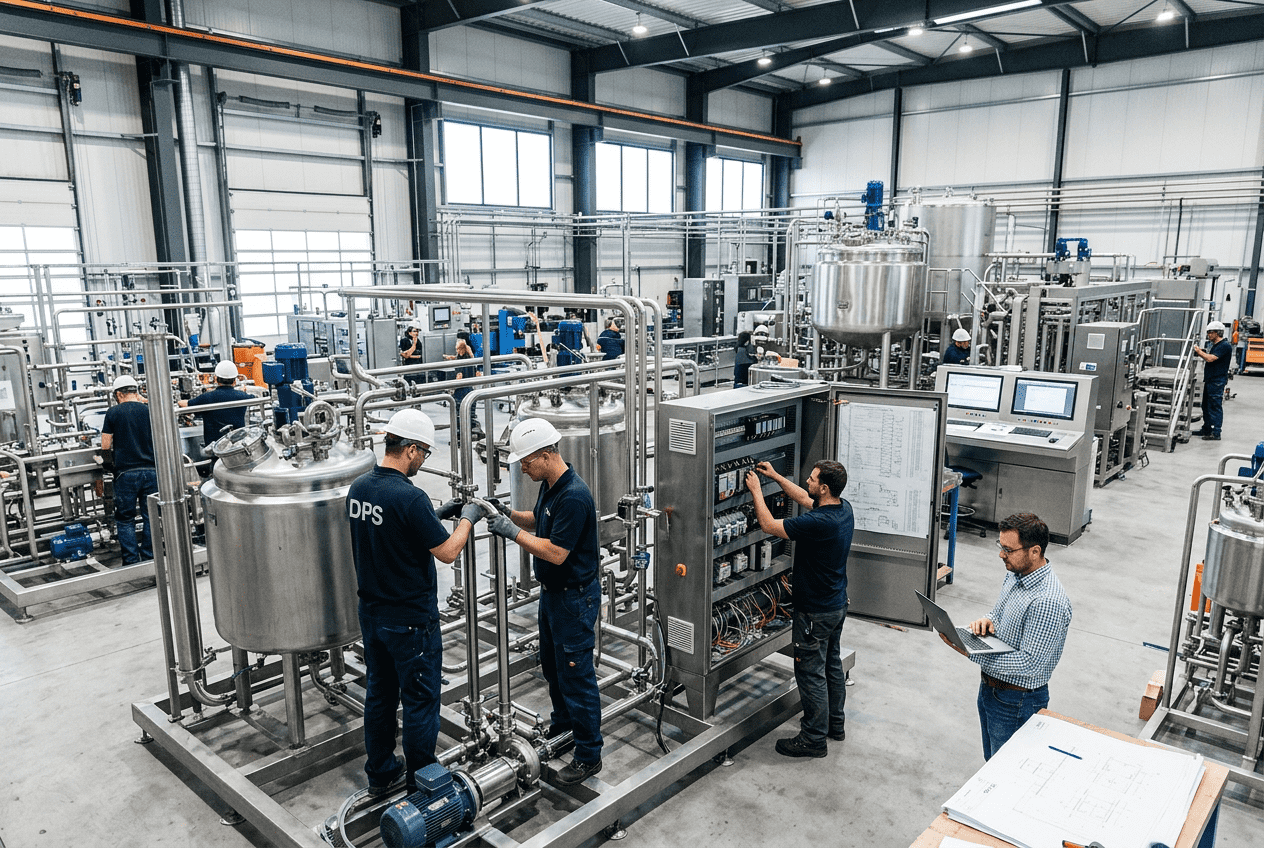
Coordinate process piping, equipment setting, utilities, power, instrumentation, controls, CIP, commissioning, and turnover for food and beverage facilities.
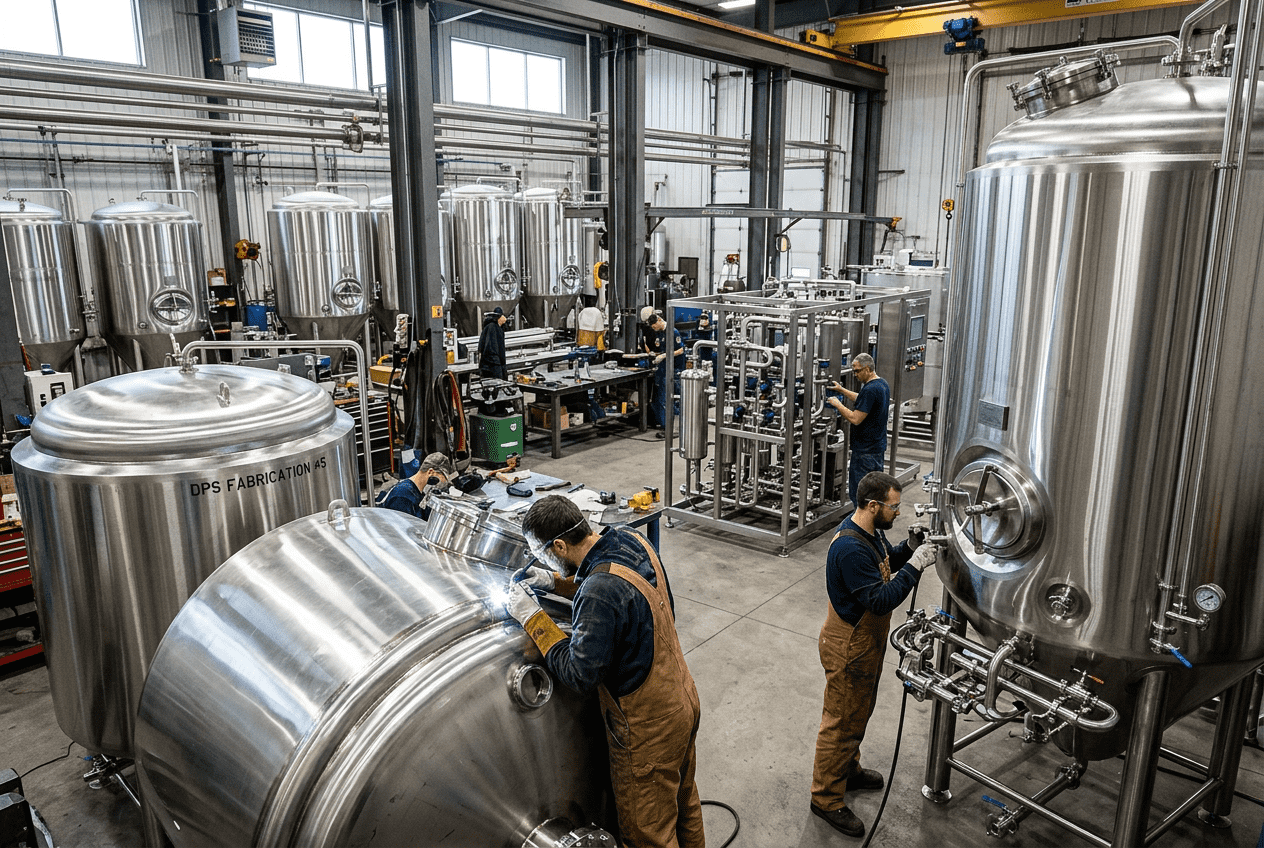
Define tanks, vessels, CIP systems, tumblers, kettles, skids, materials, fabrication records, supplier interfaces, and installation requirements around the food process.
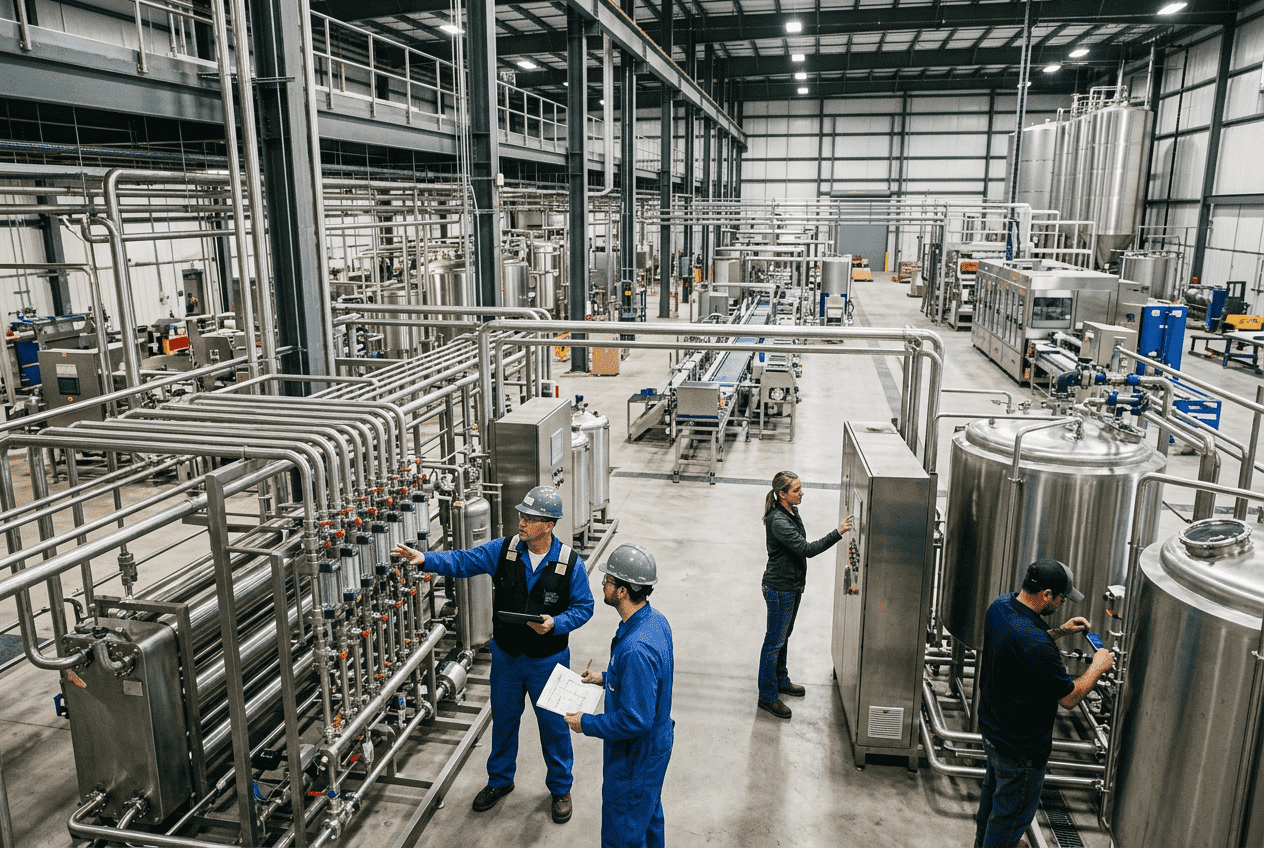
The Next Conversation
Share the installed platforms, equipment interfaces, operating problem, records, and planned changes. The next step is a defined controls scope that connects the process, operators, testing, and cutover plan.
Discuss Your Project