DPS Process Equipment
Specify the Vessel Around Its Process Duty
Tanks & Vessels
Design · Build · Manage
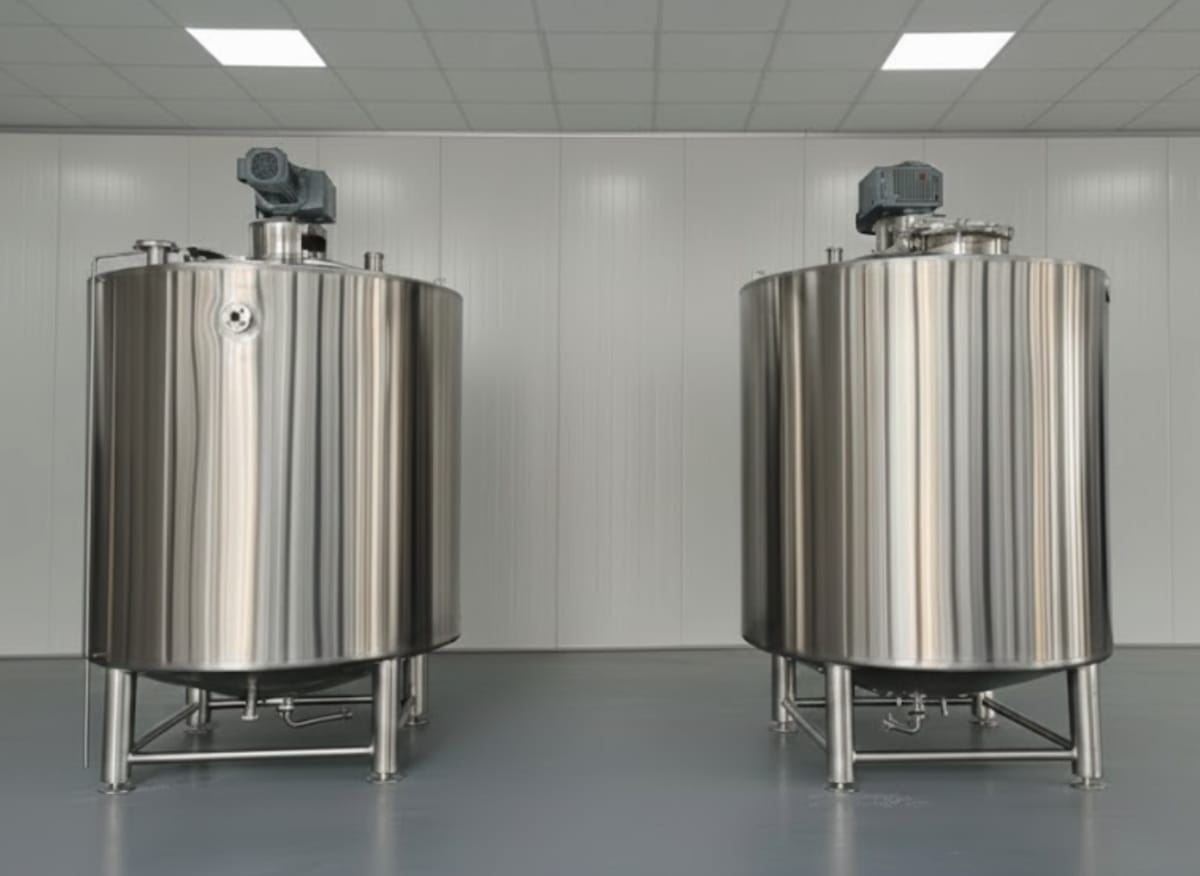
Storage, fermentation, holding, and mixing vessels need to fit the product and the facility. DPS coordinates vessel requirements with P&IDs, utilities, cleaning circuits, controls, and installation interfaces.
Tanks & Vessels
Connect Tank Volume With the Operating Conditions
A vessel may hold, ferment, blend, heat, cool, or stage material between process steps. Useful volume, batch conditions, viscosity, temperature, pressure, cleanability, floor space, and downstream demand establish the design basis. Nozzle elevations, supports, access, and maintenance clearances must connect with the actual piping and building layout.
DPS develops the vessel specification alongside process and control requirements, including materials, welds, finish, jackets, insulation, sensors, and verification records. The proposal identifies the manufacturer, fabrication location, applicable codes, supply boundaries, and delivery responsibilities. Larger or code-specific vessels can use qualified supply partners, with engineering review and integration duties defined for the package.
Selected Equipment Program
Choose the Configuration.
Define the Duty.
Start with these program options, then confirm working capacity, the production sequence, and the package boundaries against your application.
- Tank Type
- Non-agitated or side-agitated tanks; exterior silo configurations assessed as a vessel form
- Size
- 500, 1,000, 5,000, 10,000, or 25,000 gal platform options
- Agitation
- Low-shear mixing where required; define the agitator and drive separately from vessel form
- 3-A Certification
- Available where required; confirm the selected equipment, fabricator, and certification scope
- Standards
- NSF sanitary design requirements defined for the selected package
- Interior
- 316 stainless steel
Design Parameters
Specify What the Process Needs.
Platform packages list 500–25,000 gal, while the detailed vessel range lists 50–12,000 gal. These cover different configurations and supply routes. Vessels above 12,000 gal require specification and procurement through qualified fabrication partners; confirm useful volume, actual manufacturing capability, materials, certification, and delivery scope in the project proposal.
| Parameter | Configuration & Engineering Basis |
|---|---|
| Capacity Range | 50–12,000 gal in the detailed vessel range; confirm custom dimensions against footprint, operating volume, and batch requirements |
| Materials of Construction | 304 or 316L stainless steel; assess specialty alloys for high-acidity, high-salinity, or other demanding product duties, with suitability and any pharmaceutical-adjacent requirements defined separately |
| Surface Finish | Interior Ra ≤32 µin sanitary finish reference; electropolish to Ra ≤20 µin where specified for dairy, aseptic, or cleanroom duties; define measurement and acceptance records |
| Construction & Welding Standards | Define applicable ASME code construction, AWS D18.1 sanitary weld requirements, 3-A sanitary design criteria, and borescope inspection records; verify the selected fabricator's qualifications and any required stamp or certification |
| Jacket & Insulation Options | Dimple jackets, half-pipe coils, or full conventional jackets for heating and cooling; polyurethane foam or mineral wool insulation with stainless cladding |
| Vessel Types | Fermentation, brite, storage, mixing/blending, CIP solution, batch processing, hot/cold liquor, ingredient holding, and tumbler/marination vessels, with each duty specified separately |
| Nozzle & Port Configuration | Specify nozzle sizes, Tri-Clamp connections, locations, and orientations on the P&ID, including temperature, pressure, level, sample, and CIP spray-device provisions |
| Agitation & Mixing | Top-mount, side-mount, or bottom-entry agitator pads and drive provisions; select geometry and variable-speed integration for viscosity and shear requirements |
| Regulatory Requirements | Assess FDA 21 CFR Part 117, USDA-FSIS, SQF, BRC, and 3-A requirements for the application; define material traceability, weld records, supporting narratives, and approval responsibilities |
| Integration & Controls Readiness | Coordinate thermowells, pressure and level ports, flow-meter connections, wiring provisions, and I/O tags with the selected PLC/SCADA architecture and automation scope |
| Delivery Coverage | Projects in the United States and Canada may be considered; confirm fabrication location, transport, access, local requirements, and delivery sequencing against installation readiness |
Applications & Industries
Different Products.
A Defined Process Basis.
Match the equipment to the product, cleaning requirements, and operating sequence. Explore the wider industry context before fixing the specification.
Beverage Production & Fermentation
Connect fermentation, brite, hot/cold liquor, and holding vessels with temperature control, pressure conditions, cleaning, and transfer sequences for the selected beverage process.
Dairy Processing
Define holding and blending duties around cooling, agitation, product-contact finish, sanitary fittings, and cleaning records. Confirm the dairy application's applicable standards and verification requirements.
Sauces, Marinades & Dressings
Specify ingredient staging, blending, and buffer tanks for the formulation's viscosity, shear sensitivity, transfer duty, and cleanability.
Liquid Premixes & Ingredients
Coordinate batch size, dosing, mixing, temperature, level instruments, and discharge with upstream ingredient preparation and downstream production demand.
Co-Packing & Contract Manufacturing
Plan storage and mixing capacity around campaign volumes, product segregation, cleaning changeovers, recipe controls, and future line interfaces.
Before Selecting This Equipment
Protein & Sports Nutrition RTD
Connect ingredient hydration, product stability, processing and filling to saleable output and realistic plant economics.
RTD Protein Beverage Manufacturing: A Factory Planning and Investment Guide
Plan RTD protein beverage manufacturing around formulation, ingredient route, process trials, preservation, packaging and a coordinated factory scope.
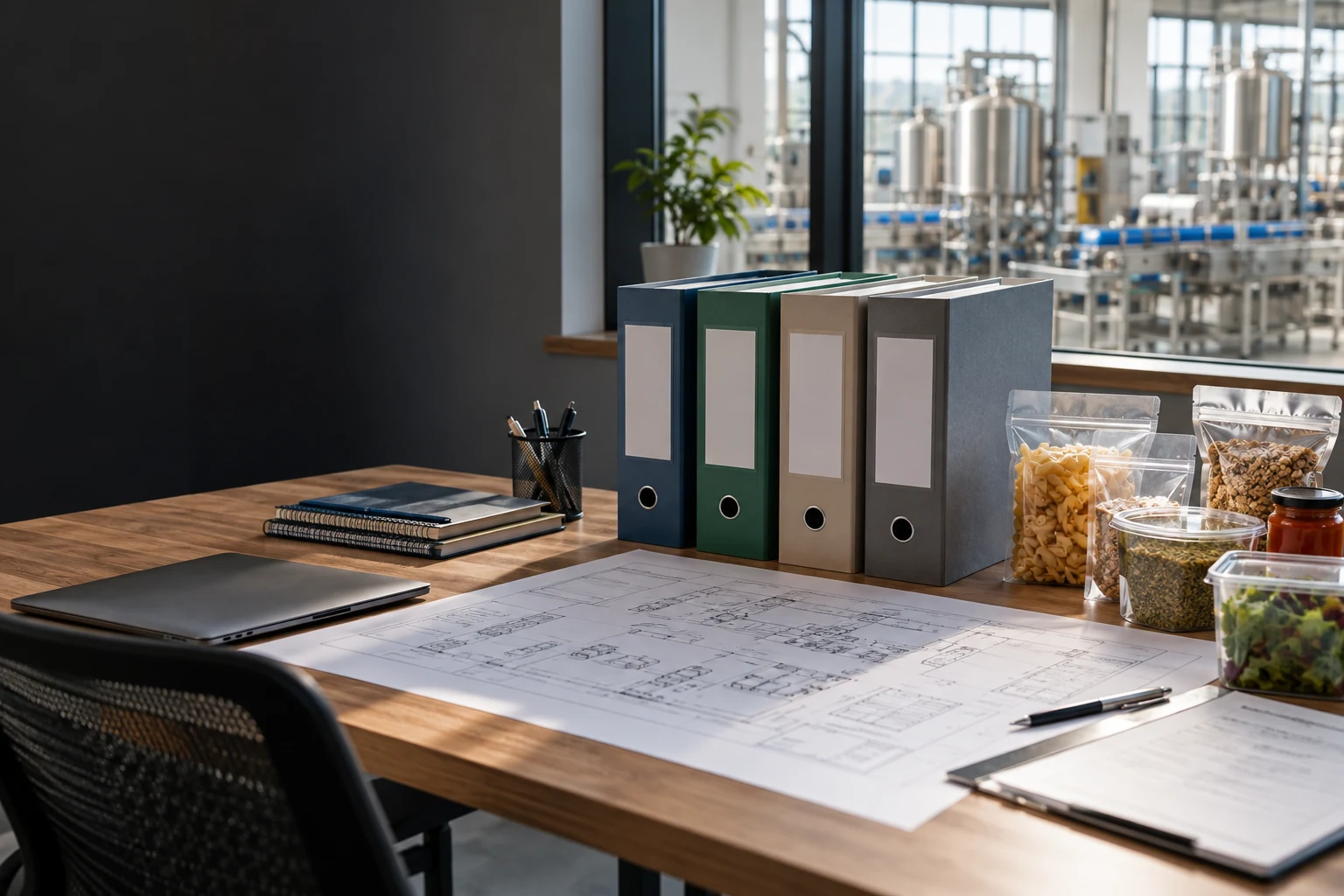
Food Plant Equipment List: Build a Procurement Plan from the Process Concept
Build a food plant equipment list around process duties, vessel interfaces, utilities and purchasing dependencies, with a transparent installed-scope example.
- What working volume, product conditions, pressure, and batch or storage duty must the vessel accommodate?
- Which agitation, jackets, insulation, finish, and cleaning requirements follow from that duty?
- What footprint, nozzle elevations, controls, documentation, and supply-partner interfaces must be confirmed?
How Is a Tank or Vessel Delivery Schedule Confirmed?
Detailed planning references are 8–12 weeks after engineering approval for some standard 50–5,000 gal vessels and 12–16 weeks for larger or more customized scopes. Platform packages also use an 18–20 week allowance. Confirm the relevant scope, approval milestone, fabrication queue, jacket and alloy requirements, instrumentation, testing, transport, and installation readiness in the current proposal. These references guide planning; the agreed programme establishes the actual dates.
Can New Vessels Match Existing Facility Equipment?
Review field measurements, current P&IDs, equipment data sheets, and as-built conditions before fixing the arrangement. Nozzle orientations, port heights, support legs, pipe connections, utility interfaces, and access must be checked against the existing line. The engineering review identifies dimensional and functional requirements, retained equipment limitations, and any field modifications to include in the installation scope.
What Is the Largest Vessel That Can Be Considered?
The detailed fabrication range extends to 12,000 gal, subject to confirmation of the manufacturer and selected configuration. Platform options extend to 25,000 gal through a broader supply route. For vessels above 12,000 gal, define the specification and procure through qualified fabrication partners. Agree vendor review, inspection, records, delivery, and installation responsibilities explicitly; the capacity listing does not establish a universal in-house manufacturing capability.
How Are Vessels Prepared for PLC and SCADA Integration?
Locate and tag thermowells, pressure ports, level-sensor mounts, and flow-meter connections against the process and automation documents. Where the tank and controls are supplied together, coordinate the PLC I/O list, SCADA tag database, and recipe requirements with the selected hardware. Where another integrator provides controls, agree wiring, instruments, tag conventions, and testing boundaries before fabrication and field connection.
Which Documents Can Support Food-Safety and Quality Review?
Define material mill certificates and traceability, weld maps and inspection records, surface-finish measurements, dimensional reports, and applicable hydrostatic or pneumatic test records in the supply agreement. USDA-FSIS, SQF, or BRC projects may also need design rationale and compliance narratives organized for the facility's food-safety management system. Confirm required certificates, review responsibilities, and the actual documentation package; equipment records support the owner's evidence without guaranteeing regulatory approval or certification.
Explore the Rest of the Line.
View All Equipment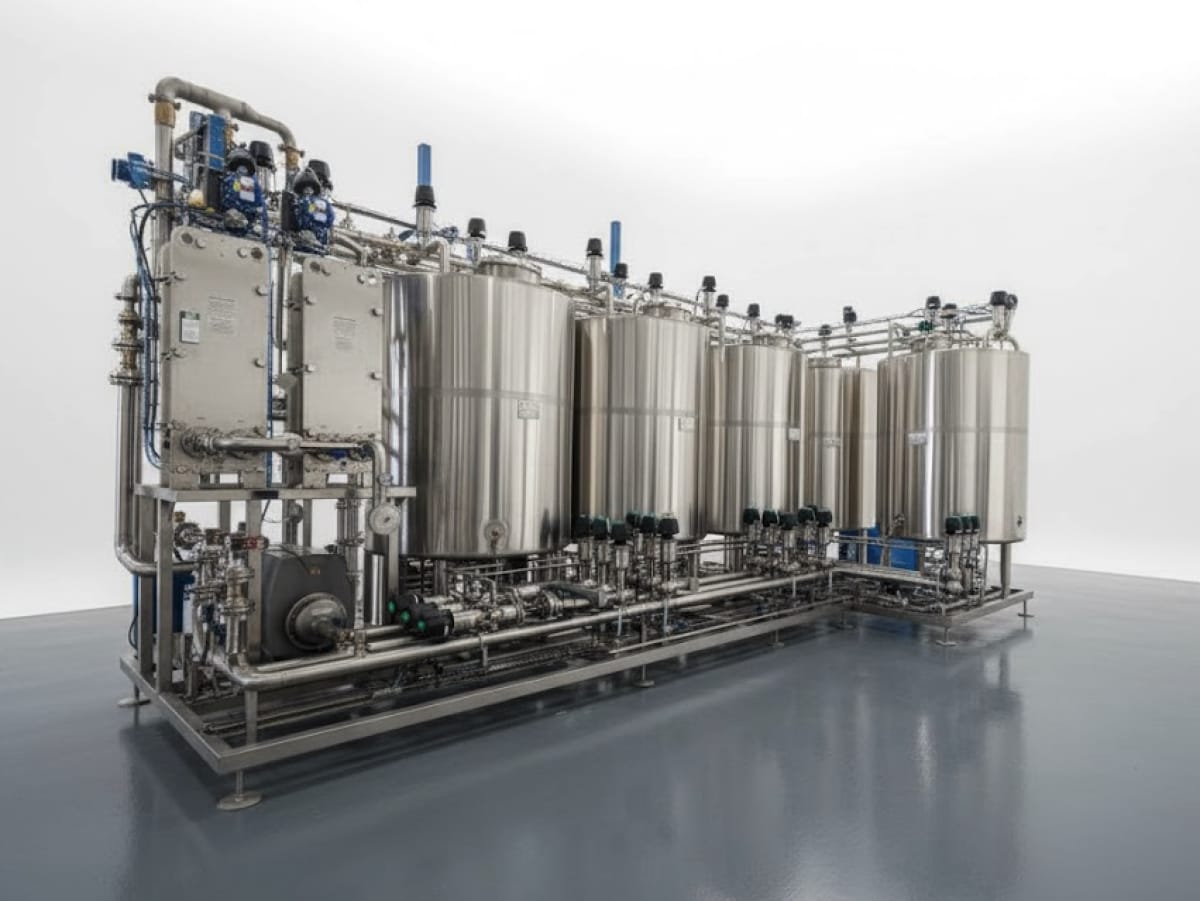
CIP Systems
100–5,000 gal
Connect the cleaning skid with the vessels, piping, utilities, and production schedule it serves. Define the circuits, cleaning conditions, controls, and verification records together.
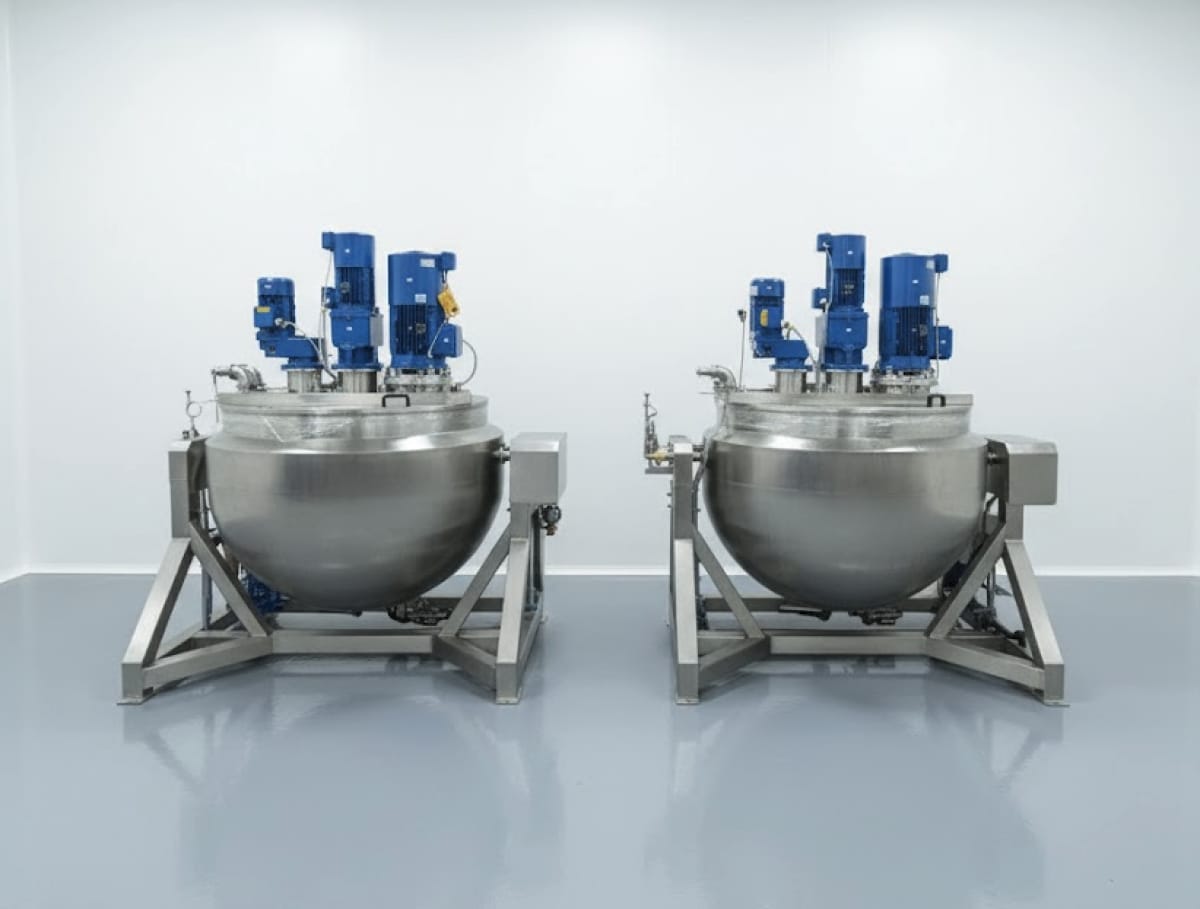
Kettles & Cookers
200–1,000 gal
Match the vessel to the recipe and production cycle. Coordinate working volume, jacket duty, agitation, discharge, utilities, cleaning, and batch records before selecting a kettle.
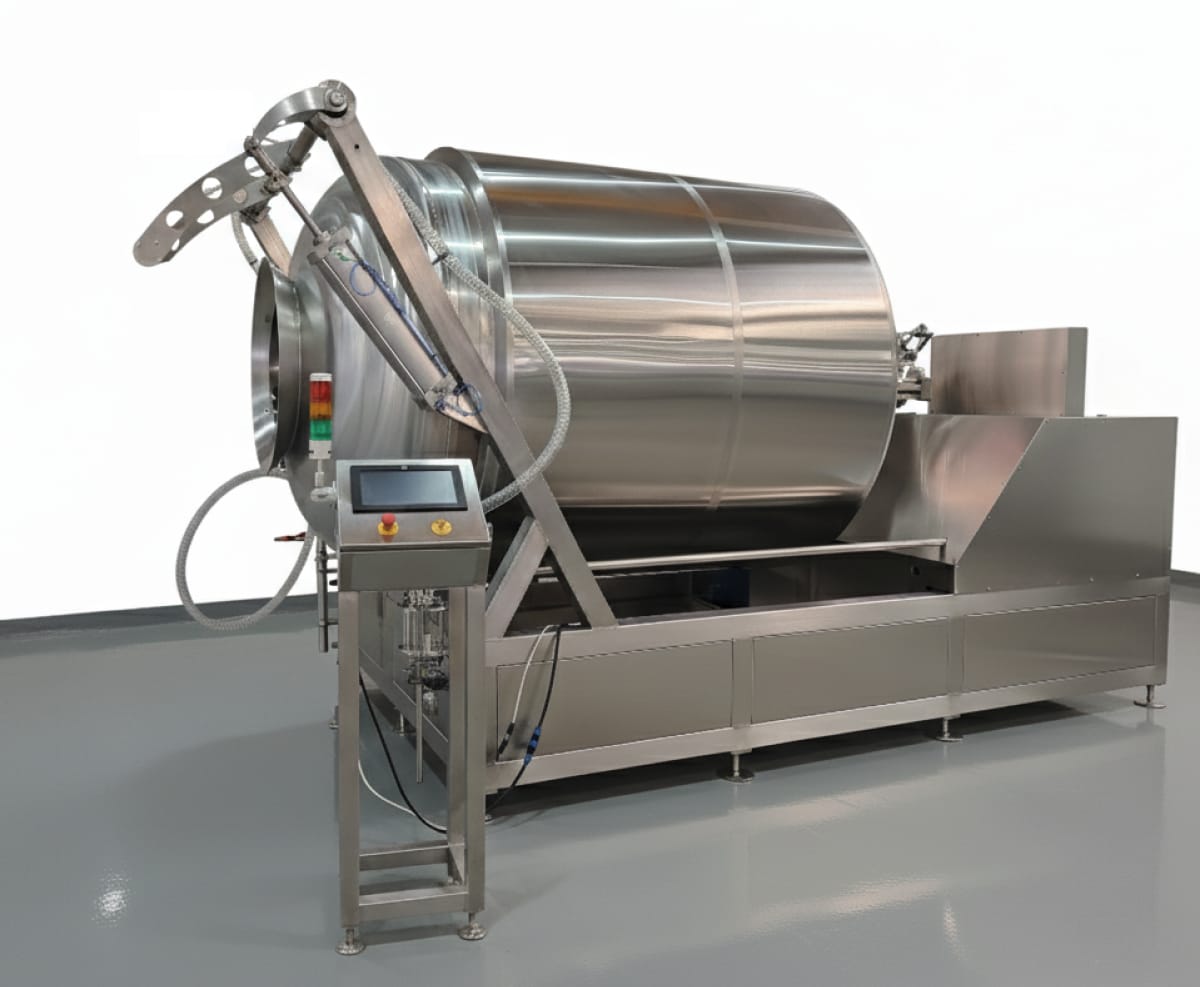
Tumblers & Marinators
500–5,000 lb
Define the product and effective batch load before selecting a tumbler. Coordinate drum action, vacuum, temperature, handling, cleaning, recipes, and the upstream and downstream line.
The Next Conversation
Define the Vessel and the Interfaces Together
Share the P&ID, product duty, volume, footprint, nozzle requirements, utilities, and controls plan. DPS can help establish the vessel configuration, supply route, verification records, and installation boundaries.
Discuss Your Project