DPS Process Equipment
Build the Kettle Around the Recipe
Kettles & Cookers
Design · Build · Manage
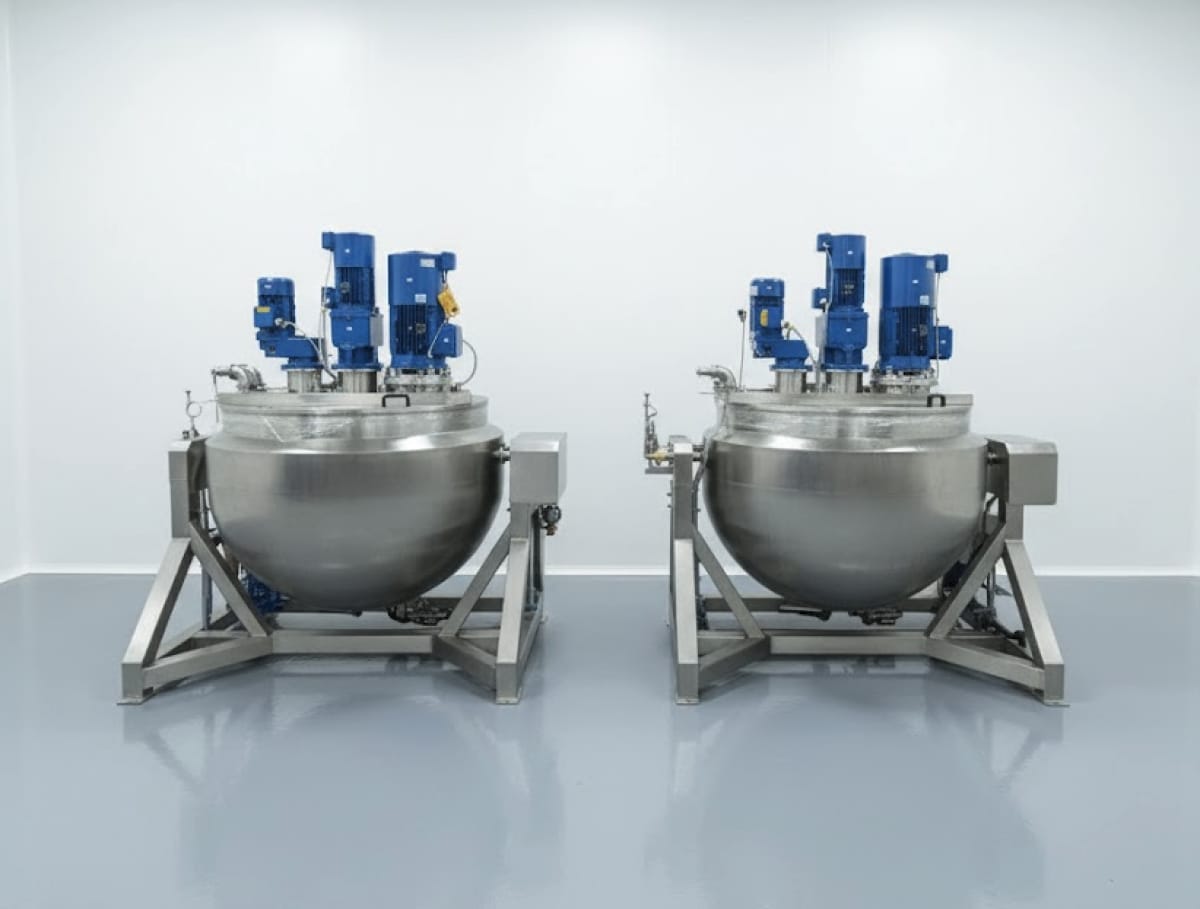
A cooking vessel needs to connect formulation, heat transfer, mixing, discharge, and cleaning. DPS develops the kettle specification with the facility's steam supply, controls, and downstream process in view.
Kettles & Cookers
Connect the Batch With the Full Thermal Cycle
Sauce, soup, dairy, confectionery, and prepared-food recipes place different demands on a kettle. Product heat capacity, viscosity, particulates, target temperature, hold time, cooling rate, and required headspace inform vessel volume, jacket area, steam demand, and agitator selection. Review filling and discharge time alongside cooking so the batch cycle fits the rest of the line.
DPS coordinates the vessel package with steam and condensate, cooling water, process piping, CIP, instrumentation, and recipe controls. The fabrication route, applicable pressure code, sanitary requirements, test records, installation, and commissioning responsibilities are defined for the selected configuration. Agree the thermal process and acceptance criteria with the responsible process and food-safety parties.
Selected Equipment Program
Choose the Configuration.
Define the Duty.
Start with these program options, then confirm working capacity, the production sequence, and the package boundaries against your application.
- Capacity
- 200, 500, or 1,000 gal platform options
- Side Mixer
- Side mixer or non-agitated side configuration
- Central Mixer
- None, or a central scraper with low-shear mixing
- High-Shear Mixer
- Available where required by the product; omit where unnecessary
- Controls
- Relay-based or integrated control packages
- Cooling Circuit
- With or without a cooling circuit
Design Parameters
Specify What the Process Needs.
Platform packages list 200–1,000 gal, while the detailed vessel range includes 50–5,000 gal configurations. These describe different equipment scopes. Confirm useful batch volume, fabrication route, heat-transfer duty, pressure rating, materials, applicable certifications, and acceptance criteria in the project proposal; the listed ranges are planning references.
| Parameter | Configuration & Engineering Basis |
|---|---|
| Working Capacity | 50–5,000 gal per vessel in the detailed range; size for batch weight, headspace, cook-cycle duration, and daily throughput |
| Materials of Construction | 304 or 316L stainless steel; specify product-contact finish of Ra ≤32 µin or better and applicable 3-A sanitary design requirements |
| Jacket Design | Full or zoned dimple/conventional jackets; design-pressure references up to 150 psig; optional separate heating and cooling zones; define ASME Section VIII construction and stamping where required through the selected qualified fabricator |
| Heating Method | Indirect steam jacket, direct steam injection, or a combination; assess plant steam supply within the 15–150 psig reference range |
| Agitation System | Top-entry or bottom-mounted anchor, sweep, high-shear, or counter-rotating configurations; VFD speed references of 5–120 RPM, selected for viscosity and shear requirements |
| Temperature Control | RTD or thermocouple instrumentation with a specified ±1°F accuracy target; PLC/PID control and programmable ramp, hold, and cool-down profiles; define calibration and thermal-process verification |
| Discharge & Transfer | Sanitary butterfly or mix-proof bottom outlet valves; tilt-pour options on smaller kettles; positive-displacement pump packages for viscous products |
| CIP Integration | CIP spray devices and drainable internal geometry; coordinate nozzle placement with DPS-engineered or existing supply and return circuits |
| Controls & Automation | PLC/HMI recipe management, multiple recipe storage, SCADA interfaces, electronic cook records, batch tracking, and alarm management within the selected package |
| Regulatory Requirements | Assess FDA 21 CFR Part 117, USDA-FSIS, HACCP/HARPC monitoring and documentation, SQF, and BRC requirements for the product and facility; define required evidence and approvals |
| Insulation & Personnel Safety | Mineral wool or foam insulation with stainless cladding; establish touch-temperature protection, guarding, agitator-drive safeguards, and emergency-stop requirements through the project safety assessment and applicable OSHA requirements |
| Documentation Package | Define general arrangement and fabrication drawings, applicable ASME data reports, weld records, material certificates, P&ID markups, O&M manual, FAT protocols, and on-site commissioning support |
Applications & Industries
Different Products.
A Defined Process Basis.
Match the equipment to the product, cleaning requirements, and operating sequence. Explore the wider industry context before fixing the specification.
Sauces, Marinades & Dressings
Specify jacket area, steam flow, agitation, and hold conditions for tomato sauces, vinaigrettes, hot sauces, cheese sauces, and marinades. Assess high-shear options for emulsions and particle-size requirements.
Soups, Stews & Prepared Foods
Review slow sweep agitation, PTFE scraper blades, jacket zoning, and large outlets for particulate products. Define heat transfer and discharge conditions around piece integrity and the cooking process.
Dairy Processing
Connect milk bases, cultured-product premixes, cheese sauces, and ice cream bases with the product-contact finish, including electropolish where specified, sanitary agitator seals, CIP nozzles, and calibrated temperature monitoring. Confirm applicable 3-A and HACCP requirements.
Confectionery & Sweetened Products
Coordinate multi-stage temperature profiles and scrape-surface agitation for syrups, caramel, toffee, and fruit fillings. Establish Brix, scorching, crystallization, and jacket-pressure constraints for the recipe.
Co-Packing & Contract Manufacturing
Define multi-recipe PLC/HMI controls, SCADA interfaces, changeover cleaning sequences, and electronic batch records across product campaigns. Agree the evidence needed for owner, retailer, SQF, or BRC review.
Before Selecting This Equipment
Sauce Manufacturing Plant Cost: Budget the Complete Cook-Cool-Fill System
Define sauce manufacturing plant cost across preparation, cooking, cooling, filling, cleaning and utilities, with clear boundaries and budget assumptions.
Batch vs Continuous Food Processing: Compare Capital Cost and Product Flexibility
Compare batch vs continuous food processing using product mix, campaigns, installed scope, utilities and a transparent annual-capacity example.
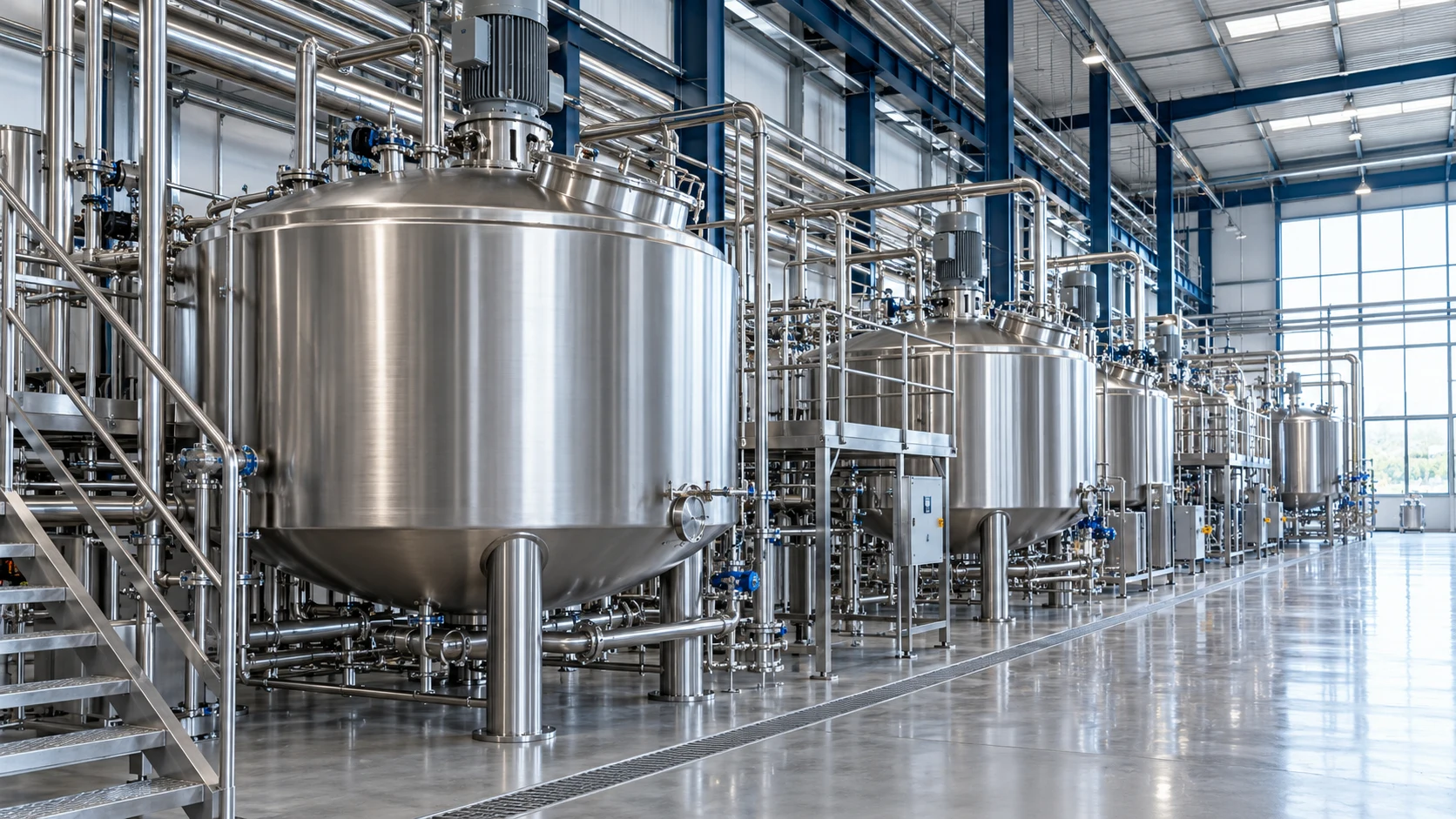
Cooked Sauce Production
Compare kettle duty, heating / cooling cycle, texture-preserving transfer and filling before adding cooked-sauce production capacity.
- What formulation, batch weight, viscosity, particulates, and headspace define the working volume?
- What heating, hold, cooling, filling, and discharge times must the production cycle accommodate?
- Which steam, condensate, cooling, CIP, controls, and acceptance interfaces belong in the supply package?
How Is the Kettle Delivery Schedule Established?
Detailed kettle configurations carry a 10–18 week scheduling reference, while platform packages use an 18–20 week planning allowance. Reconcile the configuration and schedule basis in the current proposal after engineering and signoff requirements are defined. Capacity, jackets, agitators, code construction, controls, fabrication workload, and FAT affect the programme. Dual-zone, counter-rotating, or SCADA-integrated units need a different scope review from a basic kettle. Coordinate transport and installation with utility and site readiness.
Can the Kettle Match a Specific Batch and Cook Process?
Start with product heat capacity, batch weight, temperature rise, hold time, cooling rate, and daily production demand. Calculate jacket area and steam requirements, then check working volume and headspace for boiling, foaming, and agitation. Review viscosity, particulates, filling, discharge, and downstream line speed before selecting the configuration. The agreed process basis and acceptance tests establish the performance to be demonstrated.
How Are Steam and Facility Utilities Integrated?
Coordinate the steam inlet, condensate return, and trap station with the facility distribution system. Check jacket demand against boiler capacity, delivery pressure, and simultaneous loads from other kettles or equipment. Include jacket-cooling water and CIP connections on the P&ID, and define the mechanical installation boundaries. DPS or the owner's selected contractor can perform the assigned work under the agreed engineering, trade, and local approval arrangements.
How Are Sanitary Design and Food-Safety Records Addressed?
Define applicable FDA, USDA-FSIS, 3-A, HACCP/HARPC, SQF, BRC, and retailer requirements with the responsible parties. The specification can address Ra ≤32 µin product-contact finish, ground and polished internal welds, drainability, and avoidance of product-retaining ledges or dead legs. Temperature, pressure, and level ports support the monitoring plan; electronic batch records support the agreed documentation. Confirm equipment certification and process validation separately from design features.
What Maintenance and Continuing Support Are Needed?
Plan jacket and steam-trap inspections, agitator seal and bearing maintenance, temperature and pressure instrument calibration, and CIP spray-coverage checks against the O&M instructions and food-safety plan. Include recommended spares, preventive-maintenance intervals, and troubleshooting procedures in the agreed documentation package. Continuing kettle support can be included in a separate facility-maintenance or service agreement, with responsibilities, access, availability, and scope defined.
Explore the Rest of the Line.
View All Equipment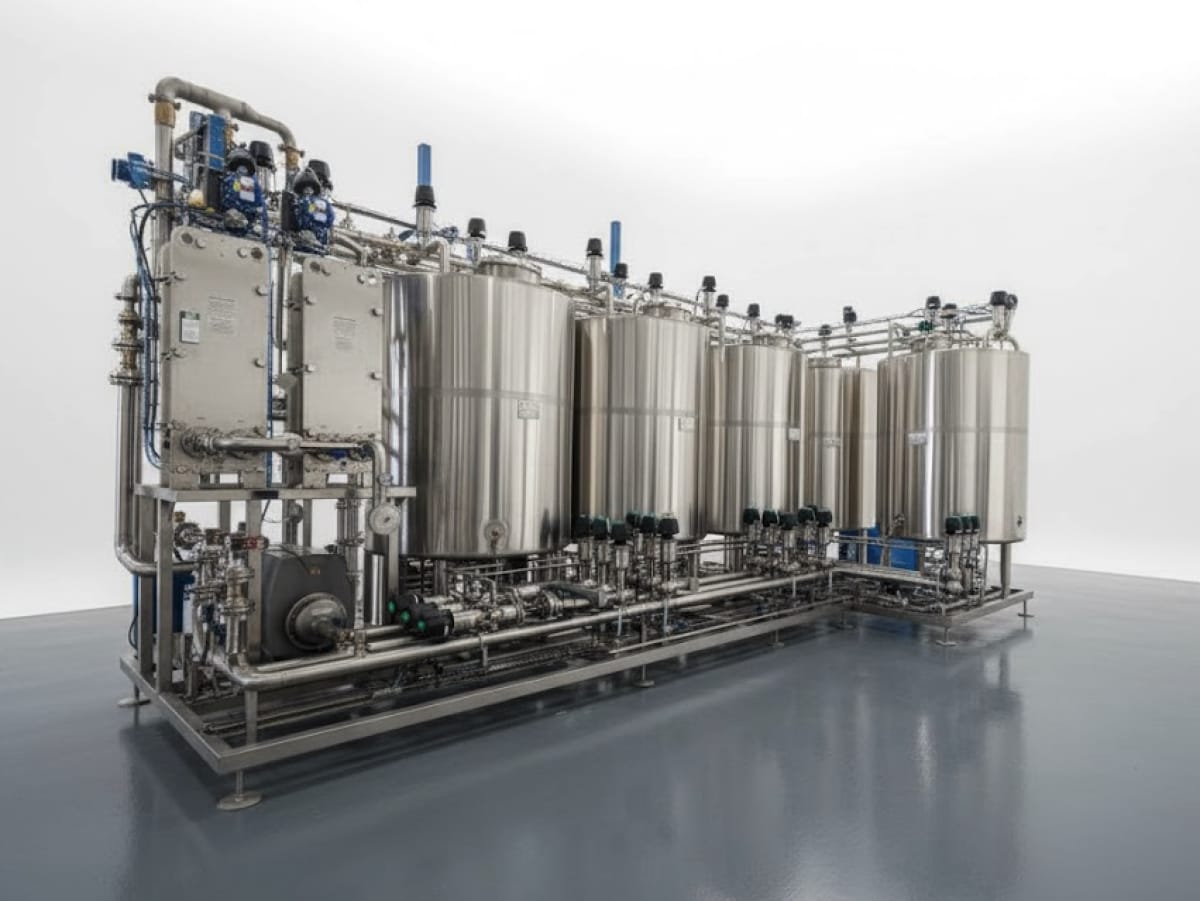
CIP Systems
100–5,000 gal
Connect the cleaning skid with the vessels, piping, utilities, and production schedule it serves. Define the circuits, cleaning conditions, controls, and verification records together.
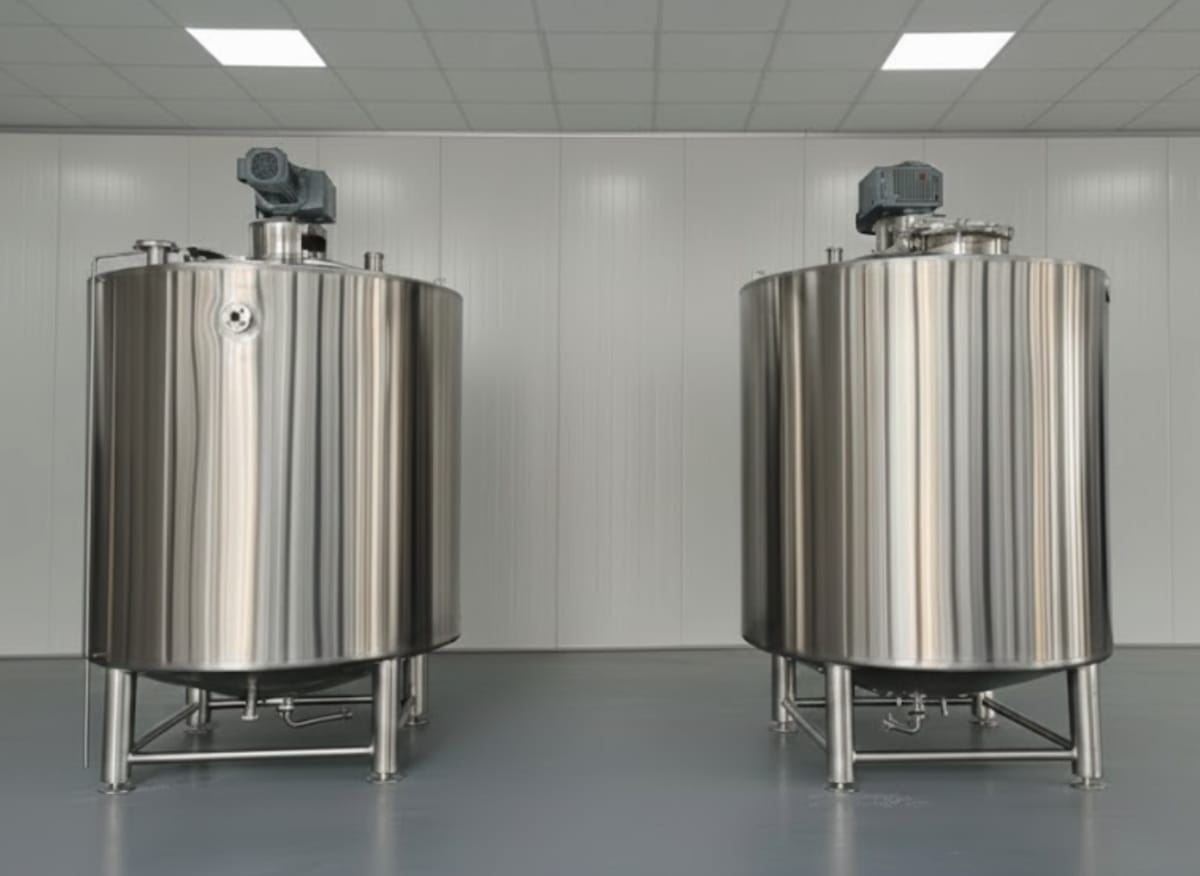
Tanks & Vessels
500–25,000 gal
Define the vessel's role in the process before selecting volume or fittings. Coordinate product duty, tank form, agitation, jackets, nozzles, cleaning, instrumentation, and fabrication records.
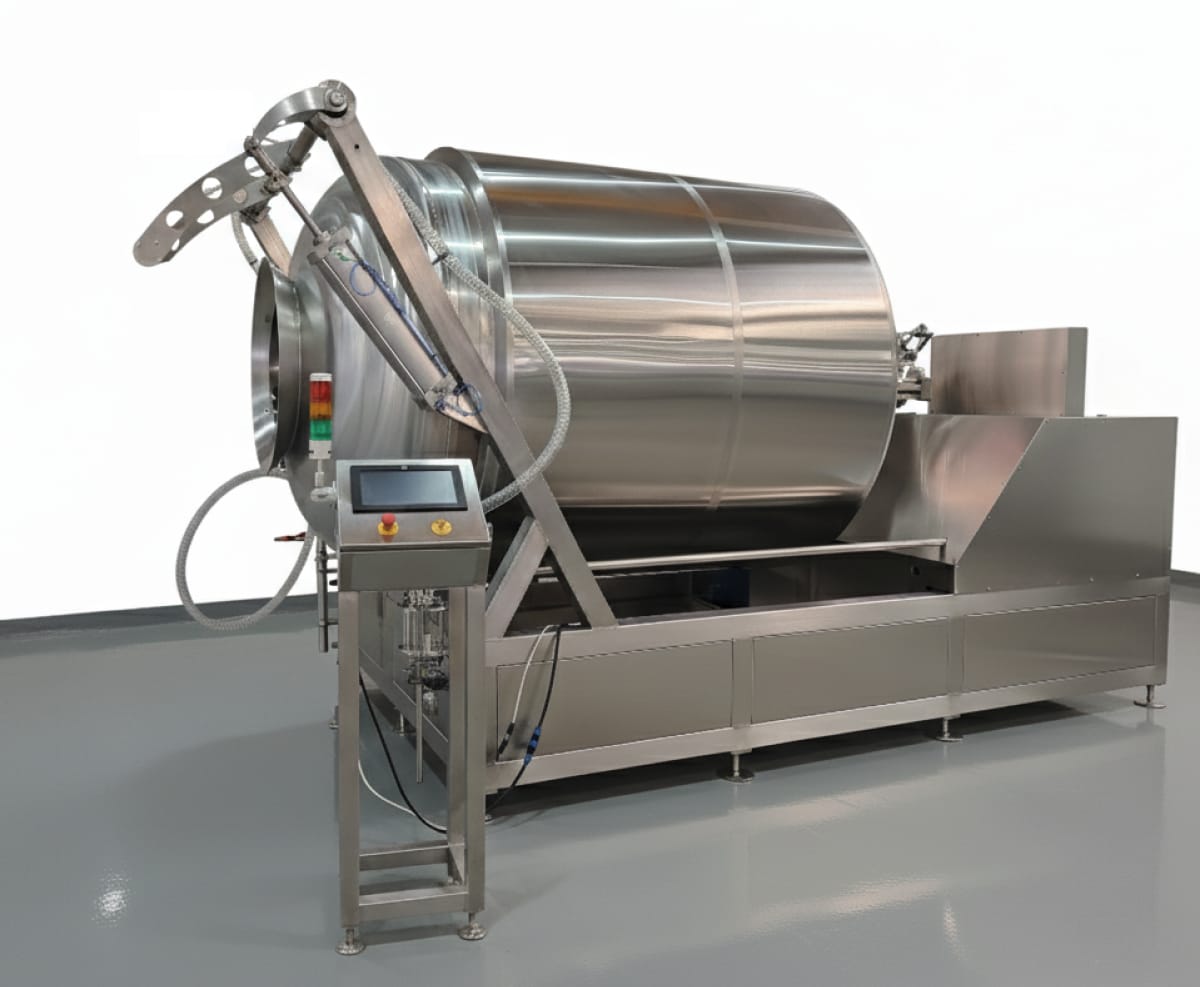
Tumblers & Marinators
500–5,000 lb
Define the product and effective batch load before selecting a tumbler. Coordinate drum action, vacuum, temperature, handling, cleaning, recipes, and the upstream and downstream line.
The Next Conversation
Bring the Recipe and Thermal Duty to the Specification
Share the formulation, batch plan, heat and cooling profile, utilities, discharge requirements, and cleaning strategy. DPS can help define the vessel, mixing, control, and acceptance package around the line.
Discuss Your Project